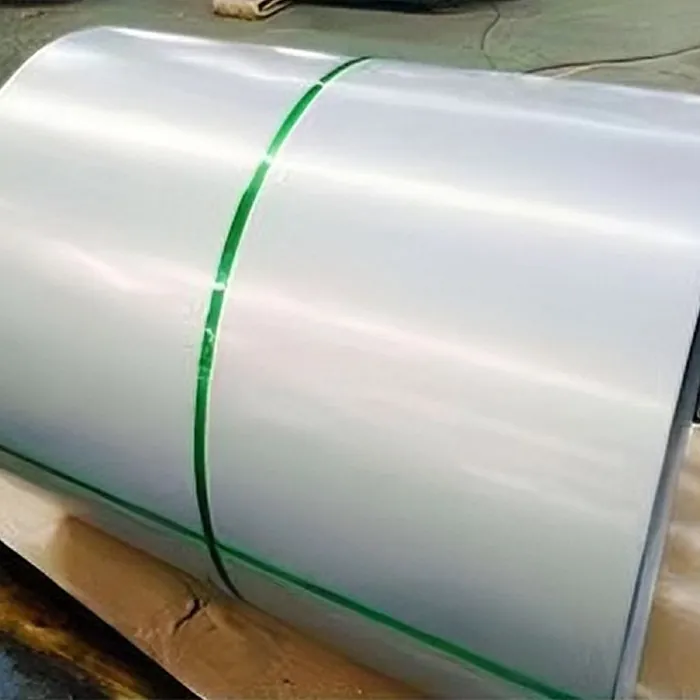
ELECTRO GALVANIZED STEEL
Electro Galvanlzed
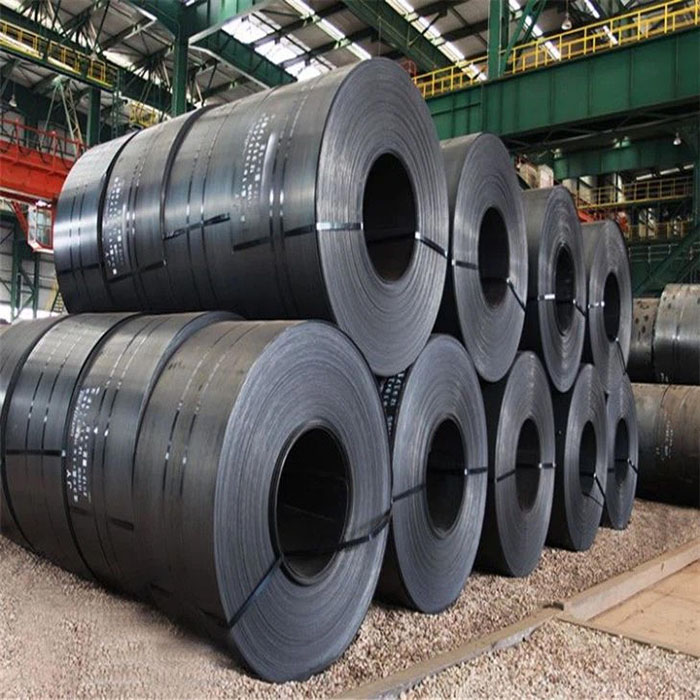
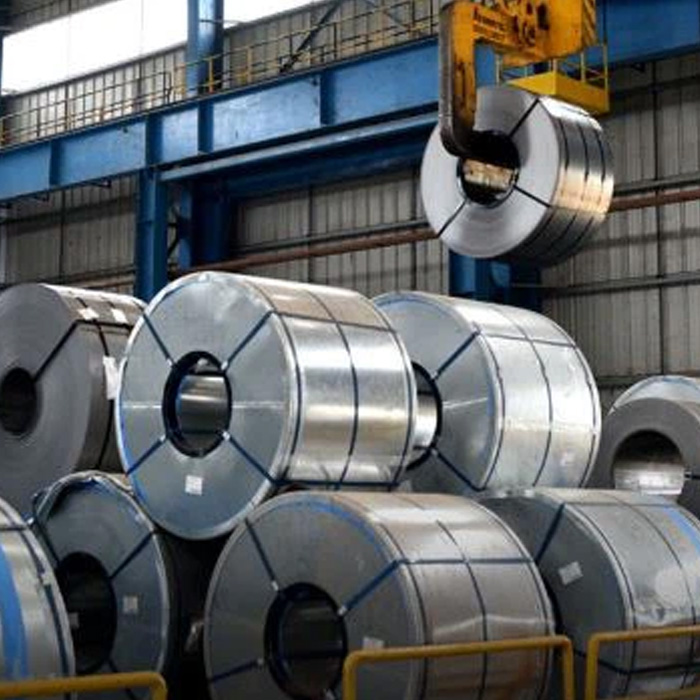
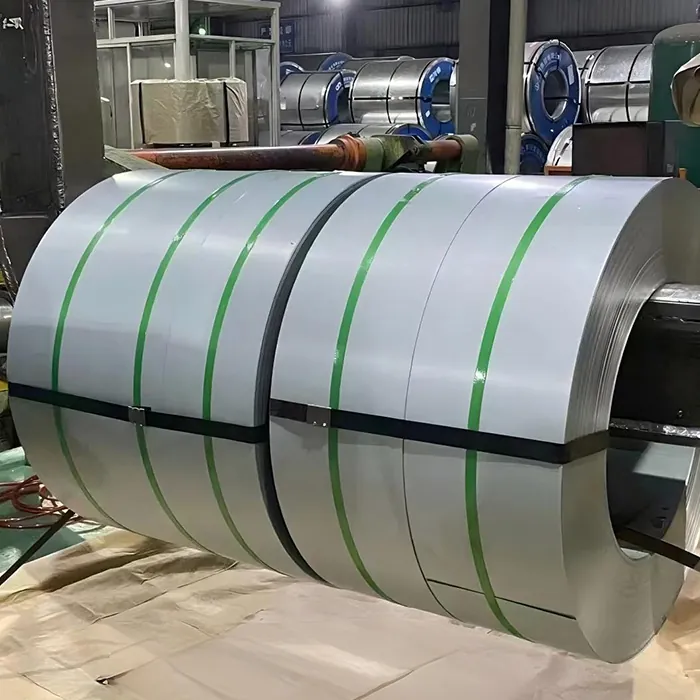
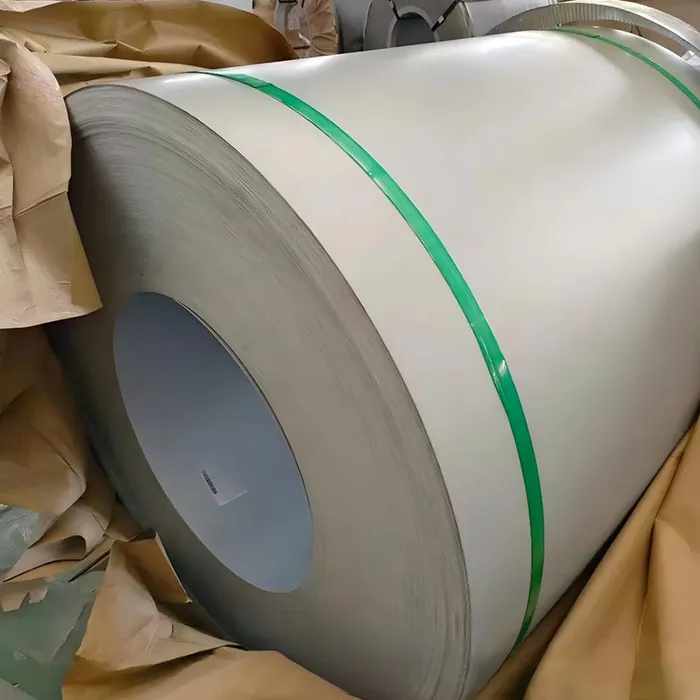
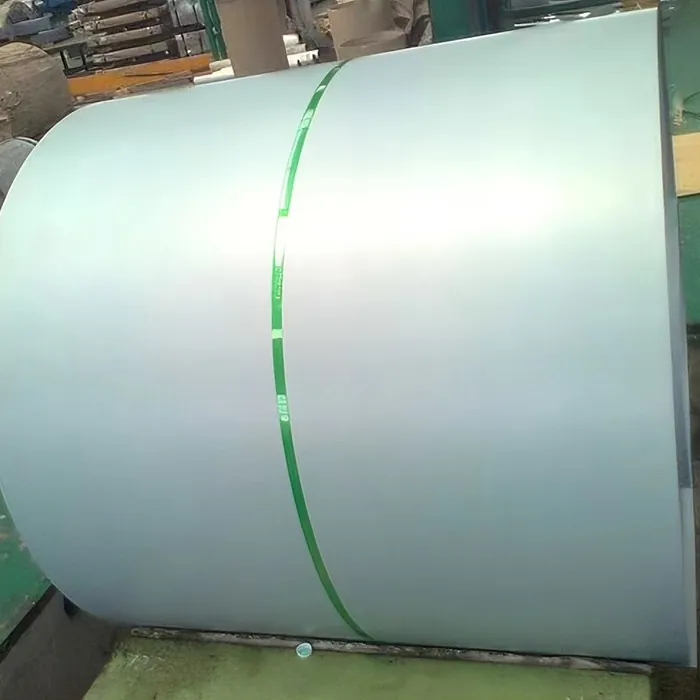
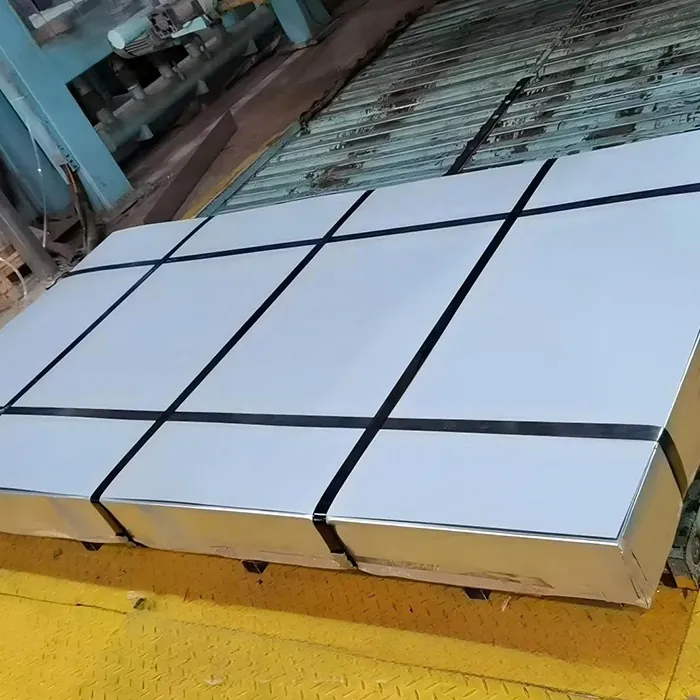
Electro galvanized steel (EG steel, also known as EGI or cold galvanized steel) is a type of steel product coated with a layer of zinc through an electrolytic process. Here’s a detailed breakdown of its key aspects:
- Product name: ELECTRO GALVANIZED STEEL
- Standards: AISI,ASTM,DIN,JIS,BS,NB
- Grade: JIS G3313 (SECC, SECD, SECE) and ASTM A879/A591.
- Place of origin: Tianjin, China (Mainland)
- Brand name: Runfei
product Details
Electro Galvanlzed
Electro galvanized steel (EG steel, also known as EGI or cold galvanized steel) is a type of steel product coated with a layer of zinc through an electrolytic process. Here’s a detailed breakdown of its key aspects:
- Product name: ELECTRO GALVANIZED STEEL
- Standards: AISI,ASTM,DIN,JIS,BS,NB
- Grade: JIS G3313 (SECC, SECD, SECE) and ASTM A879/A591.
- Place of origin: Tianjin, China (Mainland)
- Brand name: Runfei
- Payment terms: L/C, T/T (30% deposit)
- Certifications: SGS,BV,IQI,TUV,ISO,etc.
- Packing details: Standard seaworthy packing
Our Advantages
- We can provide factory price with trading company services
- We control production quality very strictly
- We guarantee 24 hours response and 48 hours solution providing service
- We accept small order quantity before formal cooperation
- We offer good quality with reasonable price, faster delivery with better payment terms
- We are ALIBABA credit checked supplier
- We offer ALIBABA trade assurance to protect your payment, product quality and on-time delivery
1. Manufacturing Process
It involves immersing cold-rolled steel in an electrolyte solution containing zinc salts and applying an electric current. Zinc ions are reduced and deposited onto the steel surface, forming a thin, uniform zinc layer (typically thinner than hot-dip galvanized steel).
2. Key Properties
Corrosion Resistance: The zinc coating acts as a barrier against moisture and corrosive elements. Even if the coating is damaged, a micro-battery effect forms between zinc and steel, protecting the steel substrate.
Surface Finish: It has a smooth, bright, and uniform appearance with no visible spangle, making it ideal for applications requiring aesthetic appeal or subsequent painting.
Formability & Weldability: The controlled zinc layer allows for excellent ductility, enabling processes like bending, deep drawing, and welding.
Thickness & Coating Weight:
Steel thickness: 0.12–3 mm (common range 0.3–2 mm).
Zinc coating weight: 10–275 g/m² (single side), with typical ranges of 10–30 g/m² for general use.
3. Specifications & Standards
Grades: Common grades include JIS G3313 (SECC, SECD, SECE) and ASTM A879/A591.
Surface Treatments: Options include chromate treatment, phosphate treatment, oiling, and fingerprint-resistant coatings.
4. Applications
Automotive Industry: Body panels, undercarriages, and internal components (benefits from lightweight and corrosion resistance).
Appliances: Casings for refrigerators, washers, dryers, and microwaves (requires both durability and aesthetic finish).
Electronics & Electricals: Computer cases, electronic equipment cabinets, and switchboards.
Construction: Indoor materials like acoustic ceilings, door frames, and light steel keels.
Furniture & Hardware: Shelving, office furniture, and various metal accessories.
5. Advantages vs. Disadvantages
Advantages
Aesthetically pleasing finish
Precise coating control
Excellent formability/weldability
Cost-effective for indoor applications
Disadvantages
Thinner coating limits outdoor durability (not ideal for harsh environments).
Slightly higher cost than some uncoated steels.
6. Industry Trends & Market
Global Production: China is the largest producer and consumer, with major players including Baowu Steel and Ansteel.
Growth Drivers: Demand from new energy vehicles (NEV), high-end appliances, and emerging sectors like 5G infrastructure and energy storage.
Sustainability: Trends include green technologies like chromium-free passivation and wastewater recycling to meet ESG standards.
This material balances performance, aesthetics, and cost, making it a staple in industries where both corrosion protection and visual quality are critical.