Optimizing Solar Infrastructure with Advanced Mounting Solutions
The efficiency and longevity of a solar power plant depend heavily on the structural integrity of its mounting system. In this category, Runfei’s engineering experts share technical insights into the design and material science of solar mounting brackets. Whether you are developing a utility-scale solar farm or a commercial rooftop array, selecting the right profile and coating is critical to reducing the Total Cost of Ownership (TCO) and ensuring a service life of 25 to 30 years.
Material Innovation: The Shift to ZAM and High-Grade Galvanizing
In solar engineering, the primary enemy is corrosion, especially in coastal or high-humidity environments. Our technical articles focus on the best materials for solar racking:
-
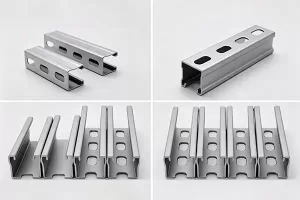
ZAM (Zinc-Aluminum-Magnesium) Steel: The new industry standard for solar structures, offering self-healing edge protection and up to three times the corrosion resistance of traditional galvanizing.
-
Hot-Dip Galvanized (HDG) Steel: A time-tested solution for ground-mount systems, providing a thick protective layer for heavy-duty structural stability.
-
Aluminum Alloys: Preferred for rooftop installations where weight reduction is essential without compromising strength.
Types of Solar Mounting Structures and Applications
Understanding the specific requirements of different terrains and installation sites is key to project success. We provide guides on:
-
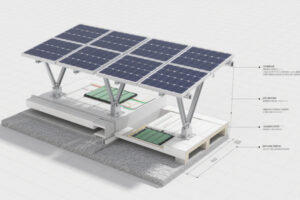
Ground-Mount Systems: Insights into fixed-tilt structures and seasonal adjustment mechanisms for optimal sun exposure.
-
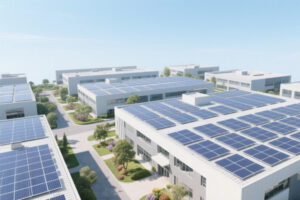
Rooftop Racking: Technical advice on ballasted systems vs. penetrating mounts, focusing on roof load distribution and waterproofing.
-
Tracking Systems: An overview of how mounting brackets integrate with single and dual-axis trackers to increase energy yield.
Market Trends: Sustainability and Speed of Installation
The solar industry is moving toward “Fast-Install” designs that reduce on-site labor costs. Our news section monitors global trends in modular mounting components, pre-assembled brackets, and the impact of steel price fluctuations on renewable energy project budgets. By following Runfei’s market insights, EPC (Engineering, Procurement, and Construction) contractors can stay ahead of supply chain shifts and material innovations that drive the transition to green energy.
Frequently Asked Questions (FAQ)
Q: Why is ZAM steel preferred for solar mounting brackets?
A: ZAM (Zinc-Aluminum-Magnesium) steel is highly preferred because it offers superior long-term corrosion resistance and a unique “self-healing” property for cut edges, which is vital for the outdoor, long-term exposure of solar farms.
Q: Can solar mounting brackets withstand high wind and snow loads?
A: Yes. Our technical guides explain how brackets are engineered based on local wind speeds and snow load requirements, using high-strength steel grades and specific geometric profiles to ensure structural safety.
Q: Does Runfei provide customized solar mounting components?
A: Absolutely. Beyond our knowledge hub, we offer professional fabrication services, including roll-forming, punching, and custom coating to provide ready-to-assemble brackets tailored to your specific project blueprints.