
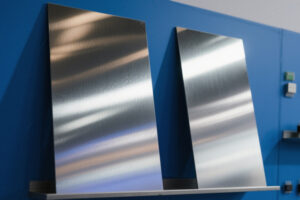
The difference between CRGO and CRNGO
1, The difference between CRGO and CRNGOCRGO and CRNGO are commonly used silicon steel sheet materials inside transformers. CRGO is cold-rolled oriented electrical steel, while CRNGO is cold-rolled...
Empower your electrical engineering projects with Runfei’s Silicon Steel Knowledge Hub. Also known as electrical steel, these specialized alloys are essential for efficient power conversion in transformers, motors, and generators. Explore our technical guides on Grain-Oriented (GO) and Non-Grain Oriented (NGO) grades, magnetic flux density, and core loss optimization to stay ahead in the rapidly evolving energy and EV markets.
Silicon steel, often referred to as electrical steel, is a functional alloy designed to produce specific magnetic properties, such as high permeability and low core loss. By adding silicon to the iron matrix, the electrical resistivity of the material increases, which significantly reduces eddy current losses. In this category, Runfei’s experts provide a deep dive into the metallurgy of silicon steel, helping manufacturers of power transformers and high-speed motors select materials that maximize energy efficiency and minimize heat generation.
Understanding the crystal orientation of electrical steel is crucial for matching the material to its intended application. Our knowledge base provides detailed comparisons between the two primary types:
Cold-Rolled Grain-Oriented (CRGO) Steel: Engineered with a specific grain direction to provide superior magnetic properties in one direction. It is the gold standard for high-efficiency power and distribution transformer cores.
Cold-Rolled Non-Grain Oriented (CRNGO) Steel: Designed with isotropic magnetic properties, meaning it conducts magnetic flux equally in all directions. This makes it ideal for rotating machinery like electric vehicle (EV) motors and household appliance compressors.
For electrical engineers, the primary goal is reducing energy waste. Runfei’s technical articles explore the factors that influence core loss (iron loss), including lamination thickness, silicon content, and surface insulation coatings. We provide insights into the latest “High-Efficiency” grades that comply with global green energy standards, ensuring your products meet the strict eco-design requirements of modern power grids and renewable energy systems.
The global shift toward vehicle electrification has placed silicon steel at the center of the “Green Revolution.” Our news section tracks how the demand for thinner, high-silicon grades is evolving to meet the needs of high-RPM electric motors. We also monitor global supply chain dynamics, including raw material availability and the impact of trade policies on the pricing of high-grade electrical steel, helping you navigate the complexities of international metal procurement.
Q: Why is silicon added to electrical steel?
A: Silicon increases the electrical resistivity of the steel, which helps reduce eddy current losses. It also reduces the magnetostriction of the material, which helps decrease the audible “hum” or noise in transformers.
Q: What is the typical silicon content in electrical steel?
A: Most silicon steels contain between 0.5% and 4.5% silicon. Higher silicon content improves magnetic performance but makes the steel more brittle and difficult to cold-roll.
Q: Does Runfei provide silicon steel laminations or coils?
A: We primarily supply high-quality silicon steel in coils and sheets. However, we also provide professional slitting and cut-to-length services to ensure the material is ready for your core stacking or motor lamination stamping processes.

Our mission is to be the pioneer of product, cost solution and service concept in steel industry chain.