In the field of architecture and industrial manufacturing, the choice of materials directly affects the durability, maintenance costs, aesthetic attraction and long-term value of the project. For decades, traditional materials like wood, uncoated aluminum, and standard galvanized iron have been the go-to options for builders, engineers, and manufacturers. However, in recent years, painted steel plate (including pre-painted galvanized steel plate) has become a multifunctional and cost-effective substitute product, providing a unique combination of performance, longevity and aesthetic flexibility. As industries give priority to efficiency, sustainability and reduced maintenance, the debate between painted steel plates and traditional materials becomes more and more important. This article will analyze the main features, advantages and disadvantages of each option, and help you make an informed decision for specific application.
What Are Painted Steel Sheets?
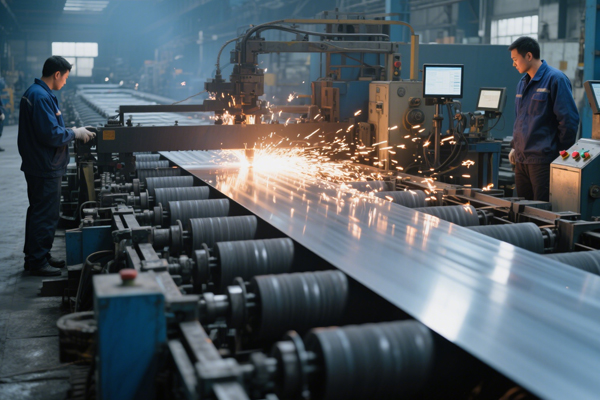
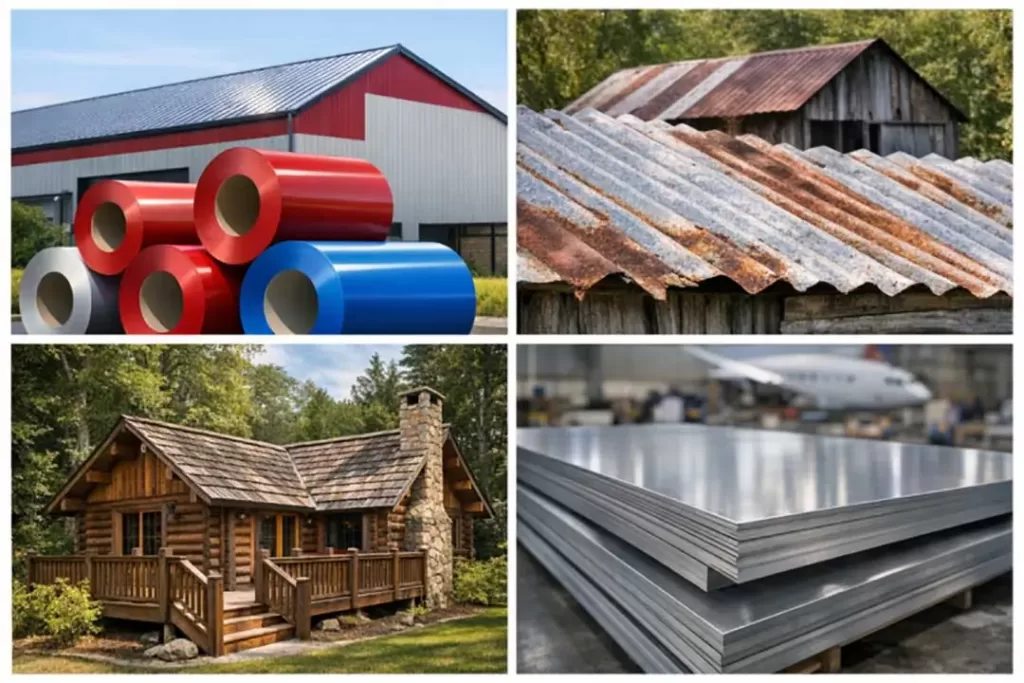
Painted steel plate, also known as pre-painted steel plate or painted steel coils, is a metal plate coated with protective and decorative coating on steel surface through special manufacturing process. This process usually starts with the pretreatment of the substrate, including degreasing to remove oil residues (to ensure that the residual oil is less than or equal to 50 mg/m²) and phosphating to form a dense protective film, then coating primer and a topcoat, and finally curing at 200-240℃ for 20-30 seconds to form a durable cross-linked network structure. This multi-step process ensures that the coating is closely attached to the steel, forming a barrier against environmental damage and enhancing the overall performance of the material.
There is a major difference between pre-coated galvanized steel sheet and standard galvanized iron sheet. Standard galvanized iron sheet is only coated with a layer of zinc through hot-dip galvanizing, which provides basic corrosion resistance through electrochemical protection, but provides limited aesthetic options, and the long-term protection against harsh environment is not strong. In contrast, pre-painted galvanized steel combines the zinc layer’s sacrificial protection with an additional organic coating, creating a “double protection mechanism” that significantly improves durability and weather resistance. The organic coating on the pre-coated galvanized steel also allows a variety of colors and finishes, making it more suitable for architectural and decorative applications.
Advantages of Painted Steel Sheets
Painted steel plates provide a series of advantages that make them stand out from traditional materials, especially in durability, maintainability and corrosion resistance.
- Durability and low maintenance: One of the biggest advantages of painted steel plate is its long service life and low maintenance requirements. High-quality painted steel sheets are resistant to scratches, fading, and chipping, thanks to durable paint resins, quality pigments, and controlled film thickness during manufacturing. Unlike wood that distorts, decays or attracts pests, and uncoated metals that needs to be repainted frequently, painted steel plates can maintain their integrity and appearance for decades with simple cleaning. This low maintenance reduces long-term cost of labor and material, making them an effective choice for residential and industrial projects.
- Corrosion resistance and weather resistance: Corrosion resistance is the key factor in material selection, especially for outdoor or harsh environment applications. Painted steel sheets—particularly pre-painted galvanized steel—excel in this area. The combination of the zinc layer and organic coating creates a robust barrier against moisture, oxygen, salt, and chemicals, preventing rust and degradation. In contrast, untreated metals (such as bare steel or standard galvanized iron) are more likely to corrode, especially in coastal, wet or industrial areas with greater environmental pressure. Even in high-ultraviolet environments, the high-quality painted steel plate can maintain its color and protective performance, and the light retention rates reaches 80% or higher after 2000 hours of ultraviolet radiation. For tailored protection, explore Colored Sheet Metal Solutions, which offer enhanced corrosion resistance and aesthetic versatility.
Types of Painted Metal Sheets
There are many types of painted steel plates to adapt to different applications, which vary with coating, polishing and special treatments.
- Single-Coat vs. Double-Coat Painted Steel: Single-coat painted steel features a single layer of paint applied directly to the pretreated steel substrate. This is an economical and effective choice for indoor or low stress applications that do not require maximum durability. On the other hand, the double-coated painted steel consists of a primer layer (usually epoxy resin with a thickness of 5-10 μm) and a topcoat layer (polyester with a thickness of 5-45 μm, silicone modified polyester or fluorocarbon resin), which has excellent adhesion, corrosion resistance and durability. Studies have shown that dual-coat systems offer greater dry film thickness and improved long-term performance compared to single-coat systems, making them ideal for outdoor or high-demand industrial applications.
- Smooth and matte finish options: Smooth finishes are very popular for architectural applications that require a smooth and reflective appearance, such as commercial buildings, retail spaces and modern houses. They are easy to clean and reflect light, enhancing the visual appeal of buildings. On the other hand, matte finish provides a lower key and more modern appearance, and it does not easily show fingerprints, scratches or dust.
- Special Coatings: Special coating can be provided for applications that require enhanced performance. The formula of anti-corrosion coatings can withstand extreme environmental conditions, such as coastal salt fog or industrial chemicals, which further improves the corrosion resistance of materials. UV-resistant coatings protect against sun damage, preventing fading and coating degradation in areas with high sunlight exposure. These professional options make painted steel plates suitable for the most challenging environment. For a variety of choices, explore pre-coated metal plate products from trusted suppliers.
Contrast Between Painted Steel and Traditional Materials
In order to determine which material is suitable for you, it is necessary to compare painted steel plates with traditional materials (such as wood, aluminum and standard galvanized iron) in terms of key indicators such as durability, maintenance and life. The following table summarizes the core performance data of each material, which comes from authoritative industry reports and lab test results.
| Material Type | Lifespan (Years) | Maintenance Frequency | Corrosion Resistance Level | Key Test Data |
| Pre–painted Galvanized Steel | 30–50 | Routine cleaning (1–2 times/year); no repainting needed for 15–20 years | Excellent (double protection from zinc layer and organic coating) | 80%+ light retention after 2000 hours of UV exposure; 3–7 times better marine atmospheric corrosion resistance than standard galvanized iron |
| Standard Galvanized Iron | 20–30 | Repainting every 5–10 years as zinc layer wears | Basic (only zinc layer protection) | Prone to rust in coastal areas; corrosion rate 0.02–0.05 mm/year in marine environments |
| Wood | 10–20 | Annual sealing/repainting; pest control every 2–3 years | Poor (prone to rot and water damage) | Warping rate of 5–8% after 5 years of outdoor exposure |
| Uncoated Aluminum | 20–30 | Polishing every 1–2 years; scratch touch-ups as needed | Good (rust-resistant but prone to oxidation) | Oxidation layer thickness reaches 0.01–0.03 mm after 3 years of outdoor exposure |
Data Sources: 1. National inspection and testing center. (2022). Corrosion resistance of coatings and galvanized steel sheets in marine atmospheric environment; 2. Guanyan Report Network. (2026). China Hot-Dip Galvanizing Industry Development Report (2024-2030).
- Durability comparison: Wood is a natural material, which is easy to warping, rot, termite attack and water damage, especially when exposed to natural environment. It needs to be treated regularly with sealant or paint to maintain its integrity. Even if it is properly maintained, its service life is usually 10-20 years. Aluminum is light and rust-proof, but it is very soft and prone to dents and scratches, which can damage its appearance and structural integrity over time. Standard galvanized iron provides basic corrosion resistance, but it lacks the protective coating of painted steel, which makes it easier to rust in harsh environment. Painted steel plates, especially pre-coated galvanized steel plates, are more durable and can withstand impact, scratches and environmental pressures while maintaining their structure and appearance for 30-50 years or longer.
- Maintenance Requirements: Traditional materials need to be maintained frequently. Wood requires annual sealing or repainting to prevent rot and fading. Aluminum may need occasional polishing to remove oxidation and maintain its shine, and scratches must be touched up to prevent further damage. With the wear of zinc coating, standard galvanized iron usually needs to be repainted every 5–10 years. By contrast, painted steel plates require the least maintenance. Daily cleaning with mild soap and water is usually enough to make them look like new, and their protective coating reduces the need for repainting or maintenance. Even in harsh environment, the maintenance of pre-coated galvanized steel is much less than that of traditional materials, which saves time and money over the long run.
- Longevity: A lifecycle analysis of materials reveals that painted steel sheets offer superior long-term value. Wood has a short lifespan and requires frequent replacement, leading to higher material and labor costs over time. The life of aluminum is longer than that of wood (20-30 years), but the early cost is higher and it is easy to be damaged. Standard galvanized iron has a life of 20-30 years, but it needs regular maintenance to prevent corrosion. Painted steel sheets, particularly pre-painted galvanized steel, have a lifespan of 30–50 years with minimal maintenance, making them a more sustainable and cost-effective choice in the long run. This extended lifespan also reduces the environmental impact of material replacement and waste.
Cost Analysis
Cost is a key factor in evaluating materials, but it is also important to consider the upfront costs and long-term value.
- Upfront cost: The upfront cost of painted steel plates is usually higher than that of wood or standard galvanized iron sheets. This is due to extra processing steps (pretreatment, coating and curing) and the use of high-quality paints and primers. According to the coating type (single layer and double layer coating), surface treatment (gloss and matte) and special treatments (anti-corrosion, anti-ultraviolet), the cost will be different. Aluminum is generally more expensive upfront than painted steel, making it less cost-effective for large-scale projects. The upfront cost of wood is the lowest, but it needs a lot of continuous investment in maintenance and replacement.
- Long-term value: Although the cost of painting steel plate may be higher at first, its longer service life and lower maintenance requirements can be translated into a lot of long-term savings. The reduced demand for repainting, maintenance and replacement means that labor and material costs are also reduced over time. As shown in the previous performance comparison table, the total life cycle cost of pre-coated galvanized steel is much lower than that of traditional materials, which is due to its life span of 30-50 year and minimum annual maintenance. In addition, pre-coated galvanized steel can save energy in building applications, because the light-colored coatings can reflect sunlight, which can reduce the building cooling costs by 10–15% every year (data source: International Energy Agency, 2025).
Environmental Considerations
In today’s sustainability-focused world, the environmental impact of materials is a key consideration. Compared with traditional materials, painted steel plates, especially pre-painted galvanized steel plates, have obvious environmental protection advantages.
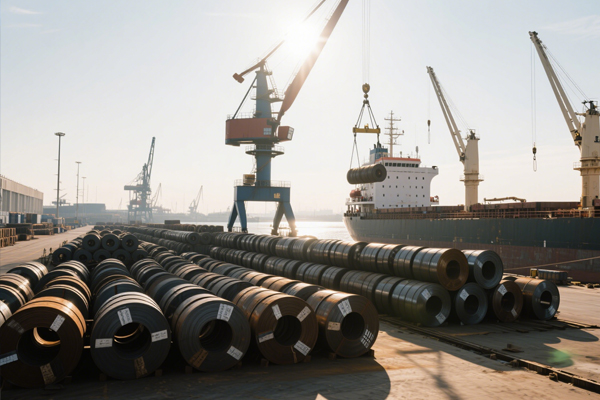
- Sustainability: Steel is one of the most recyclable materials in the world, with a recycling history spanning over 150 years. Pre-painted galvanized steel is 100% recyclable without loss of quality, making it a sustainable choice for eco-conscious projects. The recovery process of pre-painted steel includes the separation of steel from other materials by magnetic separator, and the removal of organic coating and separate recovery. In contrast, wood is not completely recyclable (especially treated wood), and aluminum recovery needs a lot of energy input. In addition, water-based or low VOC (volatile organic compound) coatings are usually used in the production of painted steel plates to reduce environmental pollution during manufacturing process.
- Benefits of recycling: steel recycling provides a lot of environmental savings, and the specific data are supported by industry research and authoritative reports. Pre-coated galvanized steel can be recycled 100% without reducing the quality. Recycling 1 ton of steel can reduce the demand for mining 1.4 tons of iron ore, saves 70% of the energy for primary steel production, reduce 86% of air emissions, and avoid 1.28 tons of solid waste. This environmental advantage far exceeds traditional materials, such as wood (which needs to be cut down) and aluminum (which needs a lot of energy for recycling). Data Sources: 1. National Inspection and Testing Center. (2022). Research on Corrosion and Recycling of Galvanized Steel Sheets; 2. International Steel Recycling Association (ISRA), 2025 Global Steel Recycling Data Report.
Conclusion: Making the Right Choice
Choosing between painted steel plates and traditional materials depends on your specific needs, budget and use. To sum up the main points, painted steel plates (especially pre-coated galvanized steel plates) have excellent durability, minimal maintenance, excellent corrosion resistance and long-term value, and are also environmentally friendly. Traditional materials such as wood, aluminum and standard galvanized iron may have lower initial costs, but they need more maintenance and shorter service life, resulting in higher long-term costs and greater impact on the environment.
Based on your application, the following is our suggestion.
- For industrial use: Pre-coated galvanized steel plate is an ideal choice. Its strong corrosion resistance, durability and low maintenance cost make it suitable for industrial buildings, manufacturing facilities and outdoor equipment, where performance and service life are of paramount importance. A trusted manufacturer of galvanized steel can provide customized solutions to meet the specific needs of industrial environment.
- For residential/building applications: It is recommended to use painted steel coils or colored metal sheets. They provide a variety of colors and finishes, allowing customization to match architectural styles, while providing the durability and corrosion resistance required by the exterior walls, roofs and decorative elements of residential buildings.
As a reputable manufacturer of pre-painted steel, Runfei Group provides comprehensive pre-painted galvanized steel products, colored metal plate solutions and painted steel coils, all of which are backed by reliable quality and excellent customer service. With the right choice of materials, you can ensure that your project will be durable, cost-effective and environmentally responsible for the next few years.