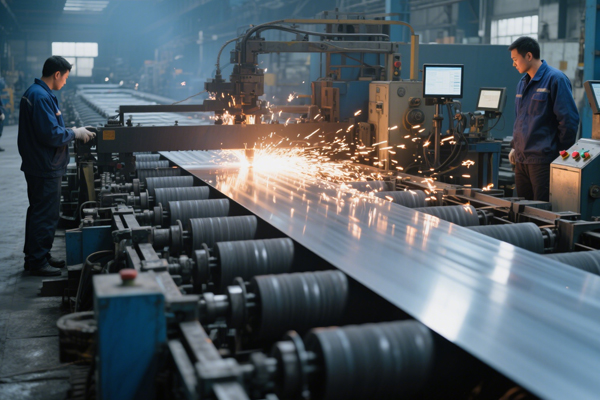
In modern life, steel is ubiquitous—from automobiles to office desks, it forms the very fabric of our surroundings. If your project demands both precision and structural stability, cold-rolled steel is, in all likelihood, the ideal material for you.
This guide provides a detailed explanation of the distinctions between cold-rolled and hot-rolled steel sheets, the key specifications to prioritize during procurement, and their diverse applications across various industries. Additionally, it compiles practical reference data—including price benchmarks, market trends, and technical product parameters—to empower you to make informed purchasing decisions.
What Is Cold Rolled Steel Sheet?
Cold rolled steel sheet is steel that has been further processed after hot rolling. Its initial material is hot-rolled steel, which first undergoes a pickling process to remove the surface oxide layer, and then passes through a series of rolls at room temperature. This second rolling reduces thickness, improves dimensional accuracy, and significantly hardens the material through strain hardening.
The core difference between cold-rolled steel and hot-rolled steel lies in the processing temperature. Hot rolled steel is shaped while the metal is above its recrystallization temperature (typically above 850–950°C), which makes it easier to form but leaves a rougher, scaled surface. Cold rolled steel is processed at room temperature, resulting in a smooth, refined finish, tighter tolerances, and up to 20% greater strength.
Simply put, cold-rolled steel sheet is a high-quality material that, compared to hot-rolled steel sheet, possesses greater strength and dimensional precision.
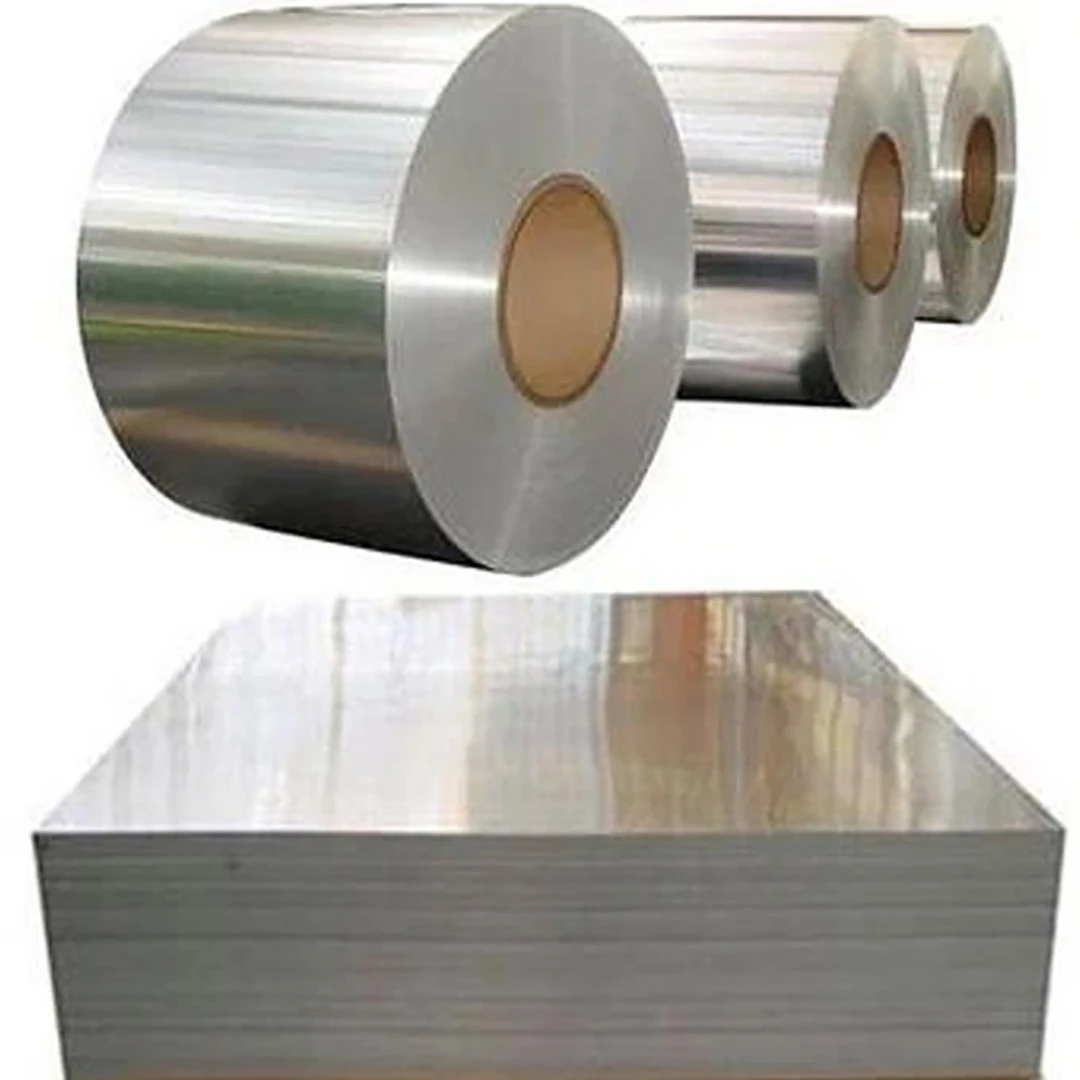
Cold Rolled Steel vs. Hot Rolled Steel: A Quick Comparison
| Feature | Hot Rolled Steel | Cold Rolled Steel |
| Processing temperature | Above ~927°C | Room temperature |
| Surface finish | Rough, scaled | Smooth, polished |
| Dimensional tolerance | Looser | Tighter and precise |
| Strength | Standard | Up to 20% stronger (work hardened) |
| Cost | Lower | Higher (extra processing) |
| Best for | Structural beams, rail tracks | Auto panels, appliances, visible parts |
By comparing the options, you can determine which one is best suited to your specific application. If you require a material that offers an aesthetically pleasing appearance and precise dimensions—and can undergo forming and painting operations without the need for additional pre-treatment—then cold-rolled steel is the ideal choice.
Key advantages of choosing cold-rolled steel sheets
1. Superior Surface Finish
The cold rolling process produces a clean, smooth surface that requires minimal preparation before painting or coating. This is why automotive manufacturers and appliance producers rely on it for visible exterior panels.
2. Tighter Dimensional Tolerances
Dimensional accuracy is crucial when production processes require precise assembly of parts (such as automated assembly lines). Cold rolled steel delivers consistent thickness and square edges that hot rolled simply cannot match.
3. Higher Strength-to-Weight Ratio
Work hardening during the cold rolling process enhances a material’s yield strength and tensile strength, enabling designers to select thinner-gauge materials without compromising performance. This characteristic is particularly valuable in the fields of automotive lightweighting and electric vehicle manufacturing, where every kilogram of weight reduction effectively extends a vehicle’s driving range.
4. Ready for Fabrication
Since the surface is already clean and flat, cold-rolled steel sheets require minimal surface pretreatment and can proceed directly to roll-forming, thereby effectively saving subsequent labor time and costs.
Product Specifications: What to Look For
When sourcing cold rolled steel sheet, these specifications define what you’re actually buying. Below are standard parameters from a working industrial supplier:
| Parameter | Specification |
| Thickness | 0.30 mm – 2.5 mm |
| Width | 600 mm – 1250 mm |
| Length | Per buyer’s requirements |
| Tolerance | Thickness: +0/-0.02 mm; Width & Length: +5/-0 mm |
| Standards | AISI, ASTM, BS, DIN, GB, JIS |
| MOQ | 26 tons |
| Bundle weight | Per buyer’s requirements |
| Price terms | FOB, CFR, CIF |
| Packaging | Export-standard sea-worthy packing (horizontal & vertical available) |
| Delivery time | 30 days |
A thickness tolerance of +0/-0.02 mm means the sheet will never be thicker than specified, only slightly thinner within a controlled range—critical for applications like stamping dies or precision enclosures.
Primary Application Scenarios
Cold rolled steel sheet appears in industries where appearance and dimensional accuracy are not optional. Here are the main sectors driving demand:
Automotive Manufacturing:
Car body panels, fenders, doors, and hoods are overwhelmingly made from cold rolled steel. The smooth surface enables flawless paint finishes, while formability accommodates complex aerodynamic shapes.
Home Appliances:
Refrigerator casings, washing machine bodies, microwave exteriors, and dryer panels all depend on cold rolled steel for its combination of aesthetics and durability.
Metal Furniture & Office Equipment:
Desks, filing cabinets, shelving units, and lockers use cold rolled steel because parts must fit together consistently during mass production assembly.
Construction (Light Gauge):
Steel studs, roofing panels, and high-end architectural siding use cold rolled steel where straightness and uniform appearance are visible requirements. Heavy structural beams remain hot rolled.
Industrial Equipment:
Machine housings, electrical cabinets, and equipment enclosures rely on the material’s precise dimensions and clean surface for protection and fit.
The global cold rolled steel sheet market reflects this broad demand. According to TechSci Research, the market was valued at approximately 38.8 million tonnes in 2025 and is projected to reach 45.9 million tonnes by 2031, growing at a compound annual growth rate (CAGR) of 2.85%. The American Iron and Steel Institute also reported that shipments of cold rolled sheet rose by 3% in 2024 compared to the prior year, confirming resilient demand across industrial segments.
Market Context: Cold Rolled Steel Pricing
Pricing data helps you benchmark supplier quotes against real market conditions. Here are two recent data points from independent sources:
US domestic market (April 2026):
Cold rolled coil spot prices averaged 1,190–$1,230/st FOB mill, east of the Rockies. Lead times stretched to 6–10 weeks, averaging 7.9 weeks [11].
China export market (January 2026):
Cold rolled coils (1 mm) from China (FOB) held steady at 540 per ton, with no significant week-on-week change [64].
These figures highlight a significant spread between US domestic and Chinese export pricing—something procurement teams should factor into total landed cost calculations that include freight, tariffs, and lead time considerations.
What to Look for in a Supplier
Beyond technical specs, supplier capabilities directly affect your project outcome. Key factors to evaluate:
- Quality certifications: Look for ISO 9001, SGS testing, and RoHS compliance to ensure material meets international standards.
- Production control: Suppliers with strict internal quality systems reduce the risk of non-conforming material and costly claims.
- Payment flexibility: Terms like L/C or T/T with a 30% deposit structure balance buyer protection with supplier commitment.
- Response speed: A commitment to 24-hour response and 48-hour solution delivery indicates operational seriousness.
- Small order acceptance: Suppliers willing to handle smaller trial quantities before formal cooperation reduce your sourcing risk.
- Packing standards: Standard sea-worthy export packing—available in both horizontal and vertical configurations—protects material during transit.
Frequently Asked Questions (FAQ)
Q: What’s the actual difference between hot rolled and cold rolled steel sheet?
The difference is in processing. Hot rolled steel is rolled at high temperatures and has a rough, scaled surface with looser tolerances. Cold rolled steel is further processed at room temperature, yielding a smooth finish, tighter dimensions, and greater strength through strain hardening.
Q: What thickness range is typically available for cold rolled steel sheets?
Standard industrial supply ranges from 0.30 mm up to 2.5 mm. Thinner gauges serve applications like appliance panels and electronic enclosures; thicker sheets go into structural components and heavier industrial parts. Widths commonly fall between 600 mm and 1,250 mm, with length customized to buyer requirements.
Q: Which industries use cold rolled steel the most?
The automotive sector is the single largest consumer, followed by home appliance manufacturing, metal furniture production, light-gauge construction, and industrial equipment fabrication. Their common characteristic is that they all place high demands on precision, surface quality, and stable, reliable mechanical properties.
Q: How do I verify that cold rolled steel meets the standards I need?
Request mill test certificates (MTCs) that document the exact chemical composition and mechanical properties of each batch. Check that the material conforms to recognized standards like ASTM, JIS, EN, or GB. Third-party inspection through agencies like SGS provides additional assurance.
Q: What’s a realistic lead time for cold rolled steel sheet orders?
Standard delivery runs approximately 30 days from order confirmation for export shipments from major production hubs. US domestic lead times have recently extended to 6–10 weeks depending on mill schedules and product specifications.
Q: Is cold rolled steel more expensive than hot rolled steel?
Yes. The additional processing steps—pickling, cold rolling, annealing—add cost. However, the premium is justified for applications requiring surface quality, dimensional accuracy, or higher strength. For rough structural work where appearance doesn’t matter, hot rolled steel remains the economical choice.
Q: Can cold rolled steel be welded and formed?
Yes, but with caveats. Cold rolled steel welds well, though the work hardening from the cold rolling process can create internal stresses. For complex forming or heavy welding, stress-relief annealing may be recommended to prevent distortion or cracking.
Conclusion
Cold rolled steel sheet isn’t a commodity you buy on price alone. The right supplier delivers material that meets your tolerance requirements, ships on time, and backs their product with verifiable certifications.
Key specs to lock down before ordering: thickness tolerance (+0/-0.02 mm is standard from quality mills), width range (600–1,250 mm covers most applications), and the specific grade standard your project requires (ASTM, JIS, EN, or GB). Confirm payment terms, packing method, and lead time in writing.
When these details are clear, cold rolled steel sheet becomes one of the most reliable materials in your supply chain—consistent, predictable, and ready to perform.