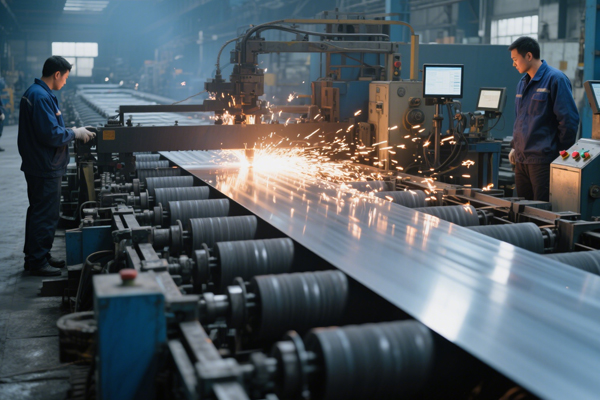
Algeria Steel in 2025
The Algerian steel market has entered a transformative phase as of early 2026, characterized by a rapid shift from import dependency to becoming a major regional exporter. However, this growth is currently facing headwinds from international trade policies and domestic logistical challenges.
1. Production & Industrial Expansion
- AQS (Algerian Qatari Steel): The Bellara complex is undergoing a major upgrade to reach a production capacity of 4.4 million tons. This expansion specifically targets the flat steel market (hot-rolled coils) to support Algeria’s growing automotive and packaging industries.
- Tosyalı Algérie: The Oran-based complex has officially launched its flat steel production and galvanizing units. In January 2026, the company initiated its first major steel sheet export operations of the year.
- Sider El Hadjar: The state-owned giant recently signed a strategic partnership with AQS to supply semi-finished products (billets), aiming to optimize domestic industrial integration and revitalize older production lines.
2. Trade & Export Challenges
- US Trade Barriers: On January 15, 2026, the U.S. Department of Commerce imposed a preliminary countervailing duty of 72.94% on Algerian steel rebar. This is expected to significantly restrict Algerian exports to the North American market.
- EU Quota Advocacy: Tosyalı Holding is currently lobbying the European Union to lift steel import quotas for “sustainable” producers like Algeria. They argue that Algeria’s low-emission, upstream production is essential for Europe’s “Green Steel” transition and should not be capped alongside high-emission producers.
- Export Targets: Despite trade barriers, major players are aiming for aggressive revenue growth, with Tosyalı Algérie targeting $1.5 billion in export revenues for 2026.
3. Raw Material Sovereignty: The Gara Djebilet Milestone
- First Processing Plant: Operations at the first iron ore processing plant at the Gara Djebilet mine are scheduled to begin in April 2026.
- Railway Connectivity: The Béchar–Tindouf–Gara Djebilet railway line, a 600km+ project, was set for completion in January 2026, finally connecting the massive ore reserves to the industrial hubs in the north. This will drastically reduce the cost of raw materials for domestic steelmakers.
4. Recent Market Disruptions
- Logistics Strike: In early January 2026, a widespread transport strike (triggered by new traffic laws and fuel price hikes) paralyzed steel distribution and left vessels on demurrage at Algerian ports. While an agreement was reached by mid-January, the disruption caused a temporary spike in local delivery lead times.
- Domestic Demand: The 2026 Finance Act has allocated massive budgets for housing (360,000 new units) and desalination plants, which is keeping domestic demand for long products (rebar and wire rod) at record highs.