Introduction
As solar energy adoption accelerates, the infrastructure supporting photovoltaic (PV) panels has evolved beyond simple metal frames to sophisticated engineering systems. At the heart of this transformation lies a critical yet often overlooked component—the hollow section photovoltaic bracket, specifically the welded-formed hollow section profile made from advanced zinc-aluminum-magnesium (Zn-Al-Mg) steel. Unlike conventional open-section profiles, hollow section PV brackets offer superior strength-to-weight ratios, enhanced corrosion resistance, and unparalleled structural stability. This comprehensive guide explores what hollow section solar bracket profiles are, their unique advantages over traditional alternatives, detailed product specifications, and why a growing number of mounting system manufacturer are adopting this technology for residential solar applications.
Definition: What Is a Hollow Section Photovoltaic Bracket?
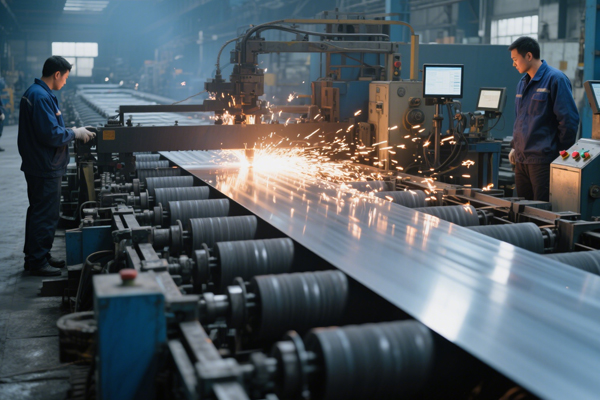
A photovoltaic bracket is the structural component designed to secure solar panels to rooftops or ground-mounted systems, ensuring proper orientation, load distribution, and long-term weather resistance. Among the various bracket designs, the hollow section profile stands out. As the name suggests, hollow section brackets are formed from a single steel strip that is roll-formed and welded into a closed shape—typically square or rectangular—creating a continuous sealed cavity. This design is fundamentally different from traditional C-channel, U-channel, or L-angle open profiles.
The solar bracket hollow section is typically manufactured using a continuous cold-forming process followed by high-frequency welding. According to ArcelorMittal, a leading global steel manufacturer, the zinc-aluminum-magnesium (Zn-Al-Mg) metallic coating used in these brackets is composed of a proprietary alloy that provides superior corrosion resistance, especially at cut edges, making hollow section brackets ideal for outdoor applications. A key authoritative source states that Magnelis® coating (a commercial Zn-Al-Mg product) “provides amazing levels of surface and cut-edge corrosion protection even in the most hostile of environments” (Source: ArcelorMittal industry page, see reference below).
When considering the role of a mounting system manufacturer, understanding the distinction between closed and open sections is essential. Hollow sections distribute loads more evenly across all four sides of the profile, eliminating the torsional weaknesses common in open sections. This means less material is required to achieve the same load-bearing capacity—a key advantage in weight-sensitive residential rooftop installations.
Unique Advantages: Why Hollow Section Solar Brackets Outperform Traditional Profiles
1. High Strength-to-Weight Ratio
Among the most compelling reasons to select a hollow section photovoltaic bracket is its strength-to-weight ratio. Closed-section profiles exhibit significantly higher torsional stiffness than open profiles of equivalent weight. Independent research has shown that hollow section brackets can withstand wind uplift forces of up to 2400 Pa or more in mechanical load testing as defined by IEC 61215. This load rating is critical for residential installations in hurricane-prone regions, where roof-mounted systems must resist extreme wind forces.
Unlike traditional steel angles or channels, which rely on the geometry of their flanges for stiffness, hollow sections leverage their closed shape to resist bending and twisting in all directions. For a solar bracket of the same weight, a hollow section can provide up to 2–3 times the bending strength of an open C-section, allowing engineers to reduce material thickness without compromising safety.
2. Unmatched Corrosion Resistance and Self-Healing Ability
In coastal, agricultural, or high-humidity environments, corrosion is the leading cause of bracket failure. Traditional hot-dip galvanized steel brackets, while effective, are vulnerable at cut edges and drilled holes where the protective zinc layer is breached. Hollow section photovoltaic bracket profiles manufactured from Zn-Al-Mg steel address this limitation through a unique self-healing mechanism.
According to ArcelorMittal’s technical documentation for Magnelis® coated steel, “the coating composition with magnesium and aluminum provides excellent cut-edge corrosion resistance and self-healing properties.” Performance data indicates that Zn-Al-Mg coated steel outperforms conventional galvanized steel (GI) by 3–10 times in neutral salt spray (SST) and cyclic corrosion tests (CCT). For coastal residential projects, a Zn-Al-Mg solar bracket can provide more than 25 years of almost maintenance-free support, a significant improvement over conventional galvanized systems that often require replacement or repair within 10–15 years in C5-M (marine) environments.
3. Self-Repairing Cut-Edge Protection
Perhaps the most distinctive feature of Zn-Al-Mg coated hollow section profiles is their self-repairing cut-edge performance. When a bracket is cut, drilled, or punched during fabrication, the exposed steel edge is vulnerable to rust. In Zn-Al-Mg alloys, the magnesium component promotes the formation of a dense, stable layer of simonkolleite (a zinc-hydroxy-chloride compound) at exposed edges, which significantly delays red rust formation. This protection mechanism is absent in conventional galvanized products, making Zn-Al-Mg an ideal choice for custom-fabricated photovoltaic bracket systems that require onsite trimming or drilling.
4. Minimal Maintenance and Environmental Friendliness
Once installed, Zn-Al-Mg solar bracket hollow sections require minimal maintenance, reducing overall maintenance costs and man-hours. For residential homeowners, this translates to a “fit-and-forget” solution that delivers reliable performance for decades. From an environmental perspective, Zn-Al-Mg coatings use less zinc than conventional galvanization, protecting valuable resources and reducing environmental impact. Being 100% recyclable, these brackets contribute to a lower carbon footprint—a crucial consideration for homeowners prioritizing sustainability.
5. Excellent Wind and Seismic Resistance
To ensure safety, stability, and reliability, the hollow section design allows for more accurate wind load and seismic calculations. According to UL 2703 structural testing requirements for PV mounting systems, mounting systems must undergo static load testing to specified design wind pressures, dynamic load testing simulating wind gust effects, and cycling loading to verify fatigue resistance. The closed-cell geometry of hollow sections distributes point loads across a larger effective area, reducing stress concentrations at attachment points.
Product Specifications: Hollow Section Photovoltaic Bracket Technical Parameters
Based on real-world manufacturing data from established producers, hollow section photovoltaic bracket profiles are typically available in the following specifications. The table below summarizes standard offerings from reputable mounting system manufacturer facilities.
| Parameter | Specification |
| Raw Material | Zinc-Aluminum-Magnesium (Zn-Al-Mg) Steel Strips |
| Steel Grade | S350GD+ZM275; S420GD+ZM275; S550GD+ZM275 |
| Thickness (mm) | 1.5 / 1.8 / 2.0 / 2.5 / 3.0 |
| Width b (mm) | 30–100 |
| Height h (mm) | 30–100 |
| Length (mm) | 5800 / 6000 or custom fixed length |
| Coating Weight | 275 g/m² both sides (ZM275 grade) |
| Yield Strength (S350GD) | ≥350 MPa |
| Tensile Strength | ≥420 MPa |
| Usage | Household mounting system of PV power station for sunroom / residential solar |
Higher-strength grades such as S420GD and S550GD are available for projects requiring additional load capacity, such as large commercial arrays or snow-prone regions.
Main Application Scenarios
Scenario 1: Residential Sunroom PV Systems
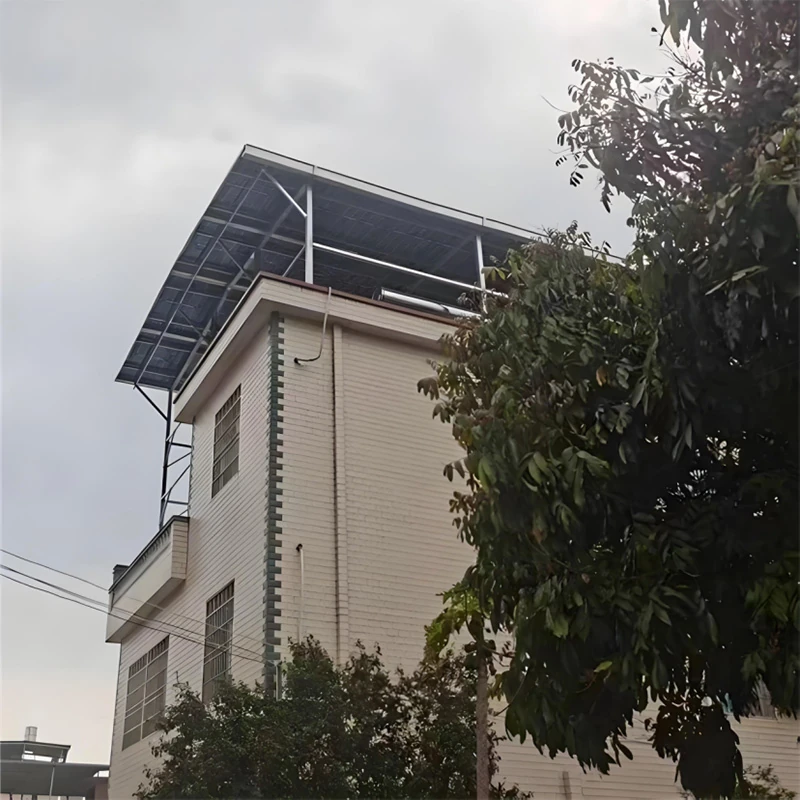
The integration of PV installations into residential architecture has given rise to the “sunroom” concept, where solar panels double as roofing elements. The hollow section photovoltaic bracket is particularly well-suited for this application because the solution’s entire support structure adopts a lightweight high-strength magnesium-aluminum-zinc steel welded formed hollow section. This design not only eliminates roof seepage and water leakage risks but also absorbs a portion of the sun’s heat, reducing indoor temperatures and improving living comfort.
Scenario 2: Carport Solar
Carport solar installations require brackets with excellent spanning capability to create covered parking areas. The hollow section’s high stiffness allows for fewer support columns, maximizing usable space underneath.
Scenario 3: Balcony Solar and Agrivoltaics
Lightweight hollow sections enable balcony-mounted PV systems without overloading residential structures. In agrivoltaic applications, where solar panels are raised above crop fields, the hollow section’s corrosion resistance ensures longevity in humid, fertilizer-rich environments.
Scenario 4: Coastal and Highly Corrosive Environments
Coastal installations demand corrosion protection beyond standard galvanization. Zn-Al-Mg coated hollow sections are suitable for C4 (industrial/coastal) and C5 (highly corrosive) environments, with an estimated service life of approximately 30 years under C4 conditions. The material’s resistance to chloride-induced corrosion makes it the preferred choice for seaside residential developments.
Compliance and Certifications
Key certifications applicable to hollow section Zn-Al-Mg solar bracket products include: IEC 61215 (mechanical load testing to 2400 Pa), UL 2703 (structural performance, electrical bonding, and fire classification), ASCE 7-22 (wind, snow, seismic loads), EN 10346 (European standard for hot-dip coated steel), and ISO 9001 (quality management).
Step-by-Step Installation Instructions
Proper installation of hollow section photovoltaic bracket profiles is essential for ensuring long-term performance. Below is a step-by-step guide for a standard residential pitched roof installation:
Step 1: Assess Roof Compatibility and Structural Integrity – Check roof type (tile, metal, asphalt, or flat) and confirm that rafters can support the combined weight of panels and brackets. Measure roof slope to confirm optimal tilt angles (typically 15–45 degrees).
Step 2: Planning and Layout – Conduct sun path analysis to identify the sun’s trajectory. Optimize row spacing to prevent shading while maximizing coverage.
Step 3: Install Base Hardware – Position brackets on rafters or roof beams according to the engineered layout. For tile roofs, use non-invasive clamps that clamp onto tile edges without drilling. Align hollow section rails with brackets and secure using tamper-proof bolts. Install waterproof flashings to seal gaps around all roof penetrations.
Step 4: Secure Solar Panels – Attach mid and end clamps to the hollow section rails, ensuring panels are evenly spaced. Use a bubble level to confirm all panels are straight and properly aligned before final tightening.
Step 5: Final Adjustments and Testing – Optimize tilt angles for seasonal sunlight capture. Inspect all electrical wiring and grounding connections to confirm stability and electrical safety compliance.
Why Choose a Reliable Mounting System Manufacturer: The Runfei Group Example
When selecting a mounting system manufacturer for hollow section photovoltaic bracket profiles, several factors should be considered. Runfei Group has nearly 30 years of involvement in the steel business, starting from simple steel trading operations based in Tianjin. With years of development, the company has accumulated extensive experience in steel cutting, slitting, and cold bending processing. Runfei maintains a regular inventory of Zn-Al-Mg coils and strips with a quantity of approximately 4000 MT on a daily basis. Runfei operates a dedicated manufacturing facility for Zn-Al-Mg solar bracket profiles, holding ISO, BV, CE, and SGS certifications. The factory maintains strategic cooperation agreements with leading Chinese steel producers including Angang, HBIS, and Shougang, ensuring consistent raw material quality and supply chain stability.
FAQ
Q1: What makes the hollow section design of your photovoltaic bracket structurally superior to open C-channels or angles?
A: The closed-section geometry distributes loads evenly across all four sides, providing up to 2–3 times higher torsional stiffness and bending strength compared to open profiles of the same weight. This allows for greater wind uplift resistance (tested to 2400 Pa) and reduces material usage without compromising safety.
Q2: How does the zinc-aluminum-magnesium (Zn-Al-Mg) coating protect the solar bracket at cut edges and drilled holes?
A: The magnesium content in the coating promotes the formation of a dense, stable protective layer (simonkolleite) at exposed edges. This self-healing mechanism significantly delays red rust formation—a feature absent in conventional galvanized coatings. According to ArcelorMittal, Zn-Al-Mg provides “excellent cut-edge corrosion protection” in harsh environments.
Q3: What load ratings and environmental classifications can your hollow section solar bracket profiles meet?
A: Our profiles are manufactured from S350GD to S550GD steel grades with minimum yield strengths from 350 MPa to 550 MPa. They are suitable for C4 (industrial/coastal) and C5 (highly corrosive) environments, with an estimated service life of approximately 30 years under C4 conditions, and have passed wind uplift testing per IEC 61215.
Conclusion
The hollow section photovoltaic bracket represents a significant advancement in solar mounting technology. By combining the closed-section geometry of welded steel profiles with the superior corrosion resistance and self-healing properties of Zn-Al-Mg coatings, manufacturers have created a product that delivers exceptional structural performance in a lightweight, durable, and environmentally sustainable package. For residential homeowners, developers, and installers seeking a mounting solution that offers long-term reliability, minimal maintenance, and proven performance in demanding environments, hollow section Zn-Al-Mg profiles deserve serious consideration. When evaluating a mounting system manufacturer, prioritize those with established raw material supply chains, in-house production capabilities, and a track record of compliance with international certification standards.