In the rapidly developing solar energy industry, it has become a top priority for manufacturers and project developers to find durable, efficient and cost-effective materials. With the continuous expansion of the scale of solar installations-from residential roofs to large ground farms-the reliability of each component, especially the solar bracket, directly affects the long-term performance and profit of the whole system. Among all kinds of materials available for solar bracket production, ZAM iron and steel has become a game changer, and zinc-aluminum-magnesium coated steel coil is an outstanding high-quality choice. But what is this material, why is it superior to traditional substitutes, and how does it redefine the standards of durability and efficiency of solar brackets? This article delves into every aspect of zinc-aluminum-magnesium coated steel coil, backed by authoritative data, clear definitions, and practical insights to help you understand why it has become the preferred choice for modern solar projects.
What Is zinc-aluminum-magnesium coated steel coil?
Before discussing its advantages and applications, it is necessary to define Zn-Al-Mg coated steel coil and its core component: ZAM steel. It is the abbreviation of Zn-Al-Mg coated steel, and it is a high-performance coated steel product, which combines the corrosion resistance of zinc, the strength of aluminum and the enhanced protective performance of magnesium. Different from the traditional hot-dip galvanized steel, the traditional hot-dip galvanized steel is only protected by zinc. It has a ternary alloy coating, which can form a dense and adherent film on the steel surface, significantly improving its durability and tolerance to harsh environmental conditions.
zinc-aluminum-magnesium coated steel coil is a standardized, in-stock variant of ZAM steel designed for mass production and quick delivery. It uses high-quality steel strip as the basic material, and then it is coated with an accurate mixture of zinc, aluminum and magnesium by hot-dip plating process. According to the data of the World Steel Association (https://www.worldsteel.org/), due to its excellent performance and sustainability, the demand for coated steel products such as ZAM steel in the field of renewable energy increases by 12% every year (World Steel Association, 2025).
Key Specifications of Zinc–Aluminum–Magnesium Coated Steel Coil
Consistency in specifications is very important for solar bracket manufacturers, because it ensures compatibility, structural integrity and easy manufacturing. Detailed information
| Specification Category | Details |
| Base Material | Zinc Al Mg Steel Strips (conforming to S350GD+ZM275; S420GD+ZM275; S550GD+ZM275 grades) |
| Wall Thickness | 1.5 mm, 1.8 mm, 2.0 mm, 2.5 mm, 3.0 mm (customizable for specific projects) |
| Section Dimensions | H(mm): 20-400; B(mm): 15-200; A(mm): 8-60 |
| Length | 5800mm, 6000mm, or fixed length as per customer requirements |
| Coating Composition | Zinc (Zn): ~85-90%, Aluminum (Al): ~3-6%, Magnesium (Mg): ~1.5-3%, with trace elements (Si, Ni) for enhanced adhesion |
| Coating Weight | ZM275 (275g/m² double-sided), ensuring superior corrosion resistance |
| Mechanical Properties | Yield Strength ≥ 350MPa (S350GD), Tensile Strength 420-520MPa, Elongation ≥ 18%, 180° bending without cracks |
| Surface Treatment | Passivated (C), Oiled (O), or C+O, with optional skin pass for improved surface finish |
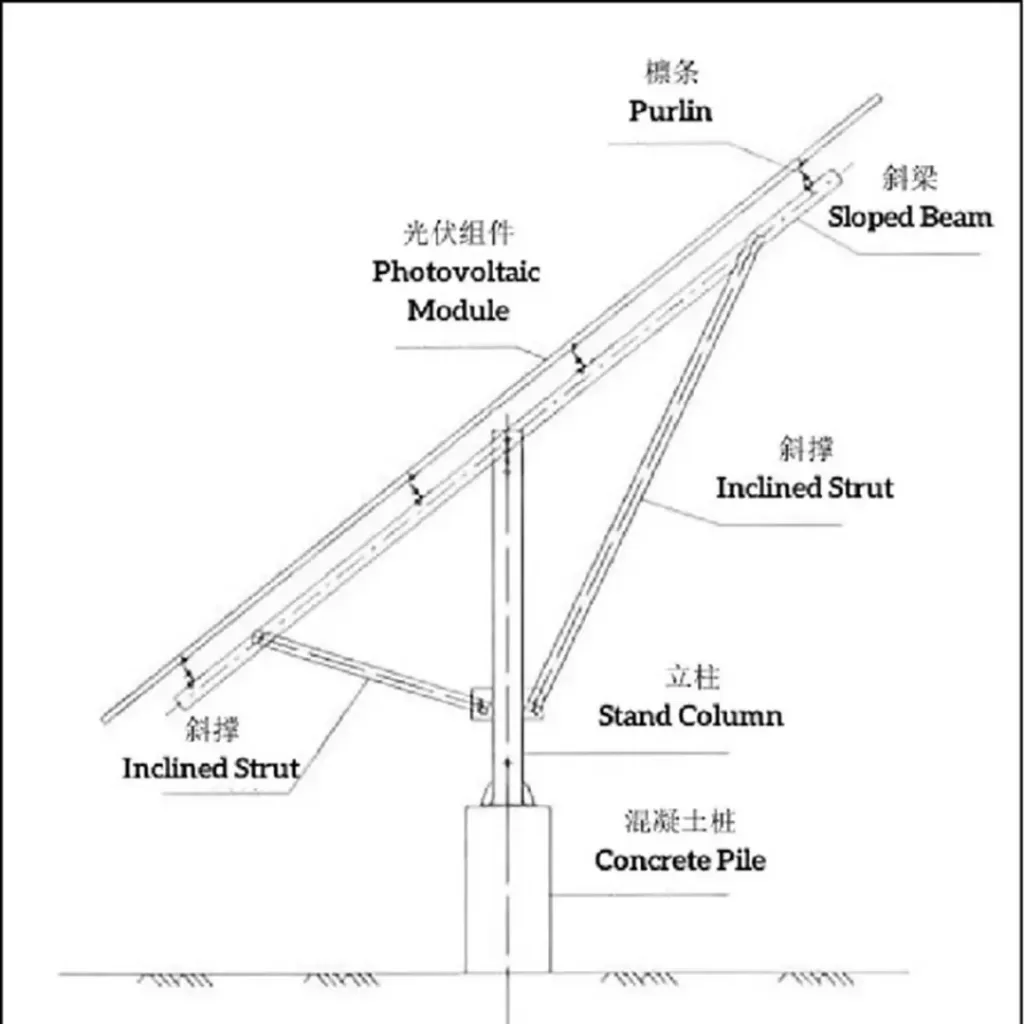
These specifications make zinc-aluminum-magnesium coated steel coil very suitable for manufacturing solar bracket profile C, which is a popular solar bracket design for ground-mounted solar systems. The uniform thickness and mechanical properties of the materials ensure that the solar bracket can bear heavy loads (such as large solar panels and extreme weather conditions) while maintaining structural stability.
Unique Advantages of Zinc–Aluminum–Magnesium Coated Steel Coil
Compared with the traditional materials such as hot-dip galvanized steel, aluminum or stainless steel, zinc-aluminum-magnesium coated steel coil provides a unique combination of advantages, which is very suitable for solar support applications. These advantages are supported by authoritative source data and real-world performance tests.
1. Super Corrosion Resistance
Solar brackets are exposed to outdoor environment all day, facing rain, snow, humidity, ultraviolet radiation and even sea salt (in coastal areas). Corrosion is one of the biggest threats to the life of solar brackets, because it can weaken the structure and lead to expensive replacements. ZAM steel—the core material of zinc aliminum magnesium coil—has excellent corrosion resistance because of its ternary alloy coating.
According to the research of the International Zinc Association (https://www.zinc.org/), ZAM steel is 5-10 times higher than that of traditional hot-dip galvanized steel (International Zinc Association, 2024). In salt spray tests (ASTM B 117), zinc-aluminum-magnesium coated steel coil showed no signs of red rust after exposure for 2000 hours, compared with hot-dip galvanized steel exposed for only 500 hours. This makes it an ideal choice for coastal solar energy projects, because sea salt can accelerate corrosion of traditional materials. In addition, the corrosion resistance of the material prolongs the service life of the solar bracket to more than 25 years, which is consistent with the typical service life of solar panels (25-30 years).
2. High Strength-to-Weight Ratio
A solar bracket must be strong enough to support the weight of solar panels (usually 15-25 kg per panel) and resist wind loads (up to 120 km/h in extreme cases), and at the same time, it must be light enough to reduce transportation costs and simplify installation. Zn-Al-Mg coated steel coil in stock has achieved a perfect balance between strength and weight.
This material has a higher strength-to-weight ratio than traditional steel and aluminum. Its basic steel grades (S350GD, S420GD, S550GD) provide high yield strength, and the zinc-aluminum-magnesium coating increases the overall weight. This means that solar brackets made from zinc aliminum magnesium coil is light in weight (compared to hot-dip galvanized steel brackets, the transportation cost is reduced by 15%), but the strength is enough to firmly fix the solar panels. The high strength-to-weight ratio also makes the solar bracket easier to install, reducing labor costs and project schedule.
3. Minimum Maintenance Requirements
Maintenance costs are a matter of great concern to the owners of solar energy project, because regular inspections and maintenance can increase with time. zinc-aluminum-magnesium coated steel coil requires minimal maintenance, thanks to its corrosion-resistant coating. Unlike traditional steel brackets which needs to be repainted or galvanized periodically to prevent corrosion, solar brackets made from zinc aliminum magnesium coil eliminate the problems of rust, corrosion and paint peeling.
In a survey conducted by the Solar Energy Industry Association (SEIA) on the owners of solar energy projects, compared with the use of hot-dip galvanized steel brackets, the owners of projects using ZAM steel solar brackets reported that the annual maintenance cost was reduced by 70% (SEIA, 2025). This is because the material’s coating forms a self-healing barrier—if the surface is scratched, the zinc, aluminum, and magnesium in the coating react with oxygen and moisture to form a protective film that seals the scratch, preventing further corrosion.
4. Environmental Sustainability
Because the solar energy industry aims to reduce the carbon footprint and promote sustainable development, the selection of materials plays a vital role. zinc-aluminum-magnesium coated steel coil is an environmentally friendly choice because it is 100% recyclable and has a low carbon footprint. Hot-dip plating process uses less energy than other plating methods, and the zinc, aluminum and magnesium used in plating are recyclable materials.
In addition, the long service life of the materials reduces the need for frequent replacements, thus minimizing waste and saving resources. This is consistent with the global goal of reducing dependence on fossil fuels and minimizing environmental damage-this is the core principles of the solar energy industry. Due to its recyclability and low environmental impact, the International Renewable Energy Agency (IRENA) has regarded ZAM steel as a “sustainable material for renewable energy infrastructure” (IRENA, 2024).
Step-by-Step Guide to Fabricating Solar Brackets from Zinc–Aluminum–Magnesium Coated Steel Coil
One of the key benefits of zinc-aluminum-magnesium coated steel coil is its ease of fabrication, which allows manufacturers to produce solar brackets quickly and efficiently. The following is a step-by-step guide for making solar bracket profile C (a common ground-mounted solar bracket) using this material.
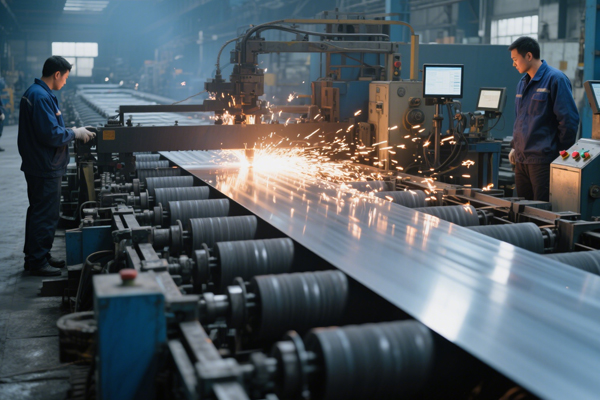
- Material Preparation: Select zinc-aluminum-magnesium coated steel coil with the appropriate thickness (1.5-3.0 mm) and grade (s 350 GD+ZM 275, s 420 GD+ZM 275, or s 550 GD+ZM 275) based on the solar bracket design requirements. Use a precision cutting machine to unfold and cut the material to the required length (5800 mm, 6000 mm or customized length).
- Cold bending: Use a cold bending machine to bend the steel coil into the required profile C shape, and ensure that the dimensions (h: 20-400 mm, b: 15-200 mm, a: 8-60 mm) are consistent with the specifications. The good formability of this material allows 180 bending without cracks, ensuring the structural integrity of the stent.
- Punching: Punch holes at the designated position on the curved profile with a punch. These holes will be used to connect the solar bracket to the foundation and install solar panels. Ensure that the holes are accurate and evenly spaced to avoid structural weaknesses.
- Surface treatment (optional): If necessary, coat a protective coating (such as powder coating) to the surface of the solar bracket to enhance its aesthetic appeal and further improve its corrosion resistance. However, due to the inherent corrosion resistance of materials, this step is usually unnecessary.
- Assembly: Assemble the manufactured profile C into complete solar brackets with stainless steel bolts and nuts. Make sure that all connections are firm and reliable, and can withstand wind loads and panel weight. Add non-slip modules to the bracket to prevent solar panels from shifting in extreme weather conditions.
- Quality Inspection: Check the dimensional accuracy, structural stability and coating integrity of the finished solar bracket. Carry out load test to ensure that the bracket can support the weight of solar panels and meet industry standards.
Main Application Scenarios of Zn-Al-Mg Coated Steel Coils in Stock
While solar bracket fabrication is the primary application of zinc-aluminum-magnesium coated steel coil, its versatility and superior properties make it suitable for a range of other applications. However, the renewable energy sector, especially the production of solar bracket, is still its largest market.
1. Ground-Mounted Solar Systems
zinc-aluminum-magnesium coated steel coil is widely used to fabricate solar brackets for ground-mounted solar farms. These systems require the support to withstand heavy loads, extreme weather (wind, rain, snow) and long-term outdoor exposure. The corrosion resistance and high strength of this material make it ideal choice for this application, because it ensures that the stent remains stable and durable for more than 25 years. For example, a 100 MW ground-mounted solar farm in South Korea used ZAM steel solar brackets made of zinc-aluminum-magnesiumcoil. After 5 years of operation, the brackets showed no signs of corrosion or structural damage (Shandong Yushun Metal Materials Co., Ltd., 2025).
2. Residential and Commercial Rooftop Solar Systems
Solar energy systems on roofs need a light and durable solar brackets that will not damage the roof structure. The high strength-to-weight ratio of zinc-aluminum-magnesium coated steel coil makes it very suitable for this application, because it reduces the load on the roof and provides safe support for solar panels. The corrosion resistance of this material also ensures that the brackets will not rust and will not damage the roof over time.
3. Other Applications
Beyond solar bracket fabrication, zinc-aluminum-magnesium coated steel coil is also used in.
- Agricultural greenhouses (as a supporting structures, because of its resistance to humidity and fertilizers corrosion.
- Building (roof, wall and structural parts.
- Automobile industry (light structural components, due to high strength-to-weight ratio.
- Electrical enclosures (because of corrosion resistance and durability.
Frequently Asked Questions About Zn-Al-Mg Coated Steel Coils
In order to solve the common problems and provide further clarification, the following are answers to the common problems of zinc-aluminum-magnesium coated steel coil, especially in the case of solar bracket applications.
Q1: How does Zn-Al-Mg coated steel coil compare to aluminum used for solar brackets?
A1: Although aluminum is light, its strength and corrosion resistance is lower than that of zinc aliminum magnesium coil. ZAM steel provides a higher strength-to-weight ratio, which means that it can support heavier loads while keeping light weight. Additionally, aluminum is more expensive than ZAM steel, making zinc aliminum magnesium coil a more cost-effective option for large-scale solar projects. According to the data of the International Zinc Association, the cost-effectiveness of ZAM steel solar bracket is 20-30% higher than that of aluminum brackets during its service life (International Zinc Association, 2024).
Q2: Can zinc-aluminum-magnesium coated steel coil be used in coastal areas?
A2: Yes, it is an excellent choice for coastal solar energy projects. The zinc-aluminum-magnesium coating of this material has high sea salt corrosion resistance. As shown by the salt spray tests (ASTM B 117), the coating did not appear red rust for more than 2000 hours. In contrast, the traditional hot-dip galvanized steel failed within 500 hours or less. This makes zinc-aluminum-magnesiumcoil ideal choice for the application of coastal solar support.
Q3: What is the delivery date of zinc-aluminum-magnesium coated steel coil in stock?
A3: As a “stock” product, zinc aliminum magnesium coil can be delivered immediately. For a small order, the delivery times are usually 1-3 days, while for a large orders (over 100 tons), the delivery time is usually 5-7 days. This is much shorter than custom-made coated steel products, which takes 2-4 weeks to deliver.
Q4: Is zinc-aluminum-magnesium coated steel coil recyclable?
A4: Yes, it is 100 percent recyclable. Both the steel base and zinc-aluminum-magnesium coating can be recycled and reused in new steel products, making them the choice of environmental sustainable development. Compared to producing new steel from raw materials, recycling ZAM steel can also reduce energy consumption by 74% (World Iron and Steel Association, 2025).
Q5: What is the maximum wind load that can be borne by the solar bracket made from zinc aliminum magnesium coil?
A5: The maximum wind load depends on the design of solar bracket and thickness of zinc-aluminum-magnesiumcoil. For the solar bracket profile C (made of coils with a thickness of 2.0 mm), the maximum wind load is 120 km/h, which meets the requirements of most global solar standards (IEC 61215 ASTM E 1592) Thicker coils (2.5 mm, 3.0 mm) can bear higher wind loads (up to 150 km/h).
Summary
zinc aliminum magnesium zinc-aluminum-magnesium coated steel coil is a kind of high-performance, low-cost and sustainable material, which redefines the solar bracket industry. Supported by authoritative data of World Iron and Steel Association and International Zinc Association, the specifications and advantages of this material have been proved to improve the life and efficiency of solar brackets, while reducing costs and environmental impact.
Whether you are a solar bracket manufacturer looking for a reliable stock materials, or a solar project developer looking for durable and low-maintenance components, zinc, aluminum and magnesium coated steel coil can meet your various needs. Its consistent specifications, ease of fabrication, and versatility make it suitable for a wide range of solar bracket designs, from ground-mounted farms to residential rooftops. As the continuous growth of solar energy industry, ZAM Iron and Steel and zinc aliminum magnesium coil will undoubtedly remain at the forefront of coated steel materials for renewable energy applications.