Key Takeaways
- 120G Color Coated Galvalume Steel Coil uses an aluminum-zinc alloy coated steel substrate with a factory-applied paint system designed to improve corrosion resistance and maintain surface appearance.
- Product performance depends on substrate quality, coating weight, paint system selection, thickness accuracy, and manufacturing control.
- Common paint systems include PE, SMP, HDP, and PVDF, with different performance characteristics for residential, industrial, and architectural applications.
- A reliable supplier should provide technical specifications, inspection records, quality certificates, export packaging solutions, and supporting documentation.
Introduction
Color coated steel products are widely used in construction, industrial buildings, and manufacturing because they combine structural performance with a finished surface appearance. However, selecting a suitable product involves more than choosing a painted steel sheet. The selection process involves evaluating the substrate, coating system, technical specifications, quality control process, and supplier capability before order placement.
For projects requiring long-term outdoor exposure, the performance of the underlying metal coating is especially important. A properly selected product can help reduce maintenance requirements while providing consistent appearance and forming performance during fabrication.
120G Color Coated Galvalume Steel Coil is a factory-painted steel product based on a Galvalume substrate. The aluminum-zinc alloy coating provides a protective foundation, while the paint system adds additional weather resistance and decorative value. It is commonly used for roofing, wall panels, industrial buildings, and other applications where both appearance and corrosion protection are required.
Runfei supplies color coated Galvalume steel coils from Tianjin, China, manufactured according to international standards including AISI, ASTM, BS, DIN, GB, and JIS. The company provides products supported by ISO 9001 certification, SGS verification, and RoHS compliance documentation for different project requirements.
What Is 120G Color Coated Galvalume Steel Coil?
120G Color Coated Galvalume Steel Coil is a pre-painted steel product manufactured by applying a paint coating system onto an aluminum-zinc coated steel substrate. Unlike conventional field-painted steel, the coating process is completed in a controlled factory environment, allowing better consistency in coating thickness, curing conditions, and surface quality.
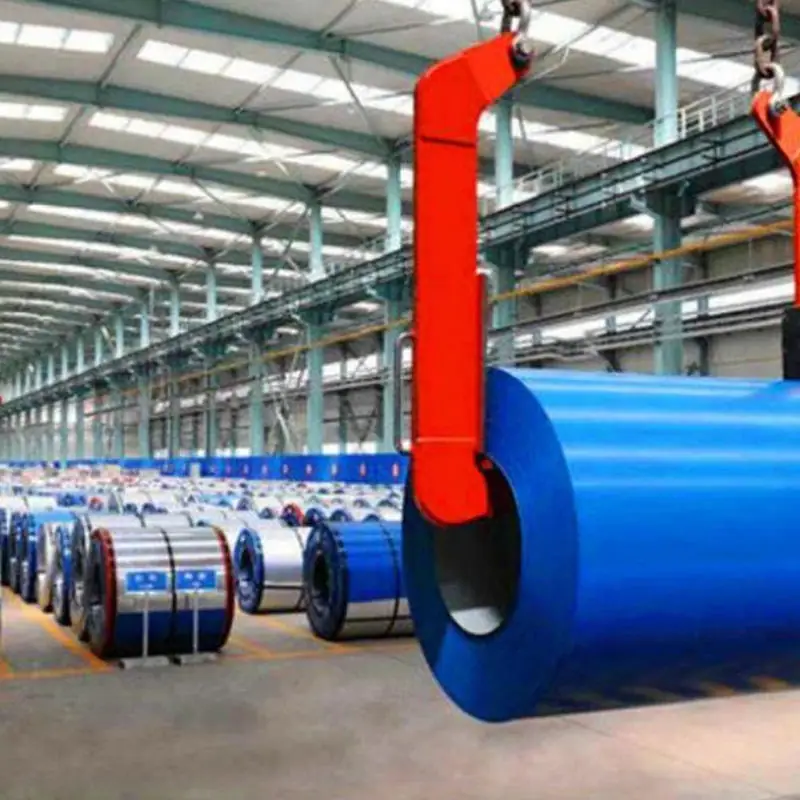
The basic structure includes:
Steel substrate → Aluminum-zinc coating → Chemical pretreatment → Primer → Topcoat
The Galvalume substrate provides the foundation for corrosion protection. The aluminum-zinc alloy coating helps protect the steel surface, while the paint layers provide additional protection against weather exposure, scratches, and color fading.
Compared with on-site painting, continuous coil coating offers several advantages:
- More uniform coating thickness
- Controlled curing temperature and process conditions
- Consistent surface appearance
- Higher production efficiency
For industrial buyers, these factors directly influence product reliability during transportation, processing, and long-term service.
How Is Color Coated Galvalume Steel Manufactured?
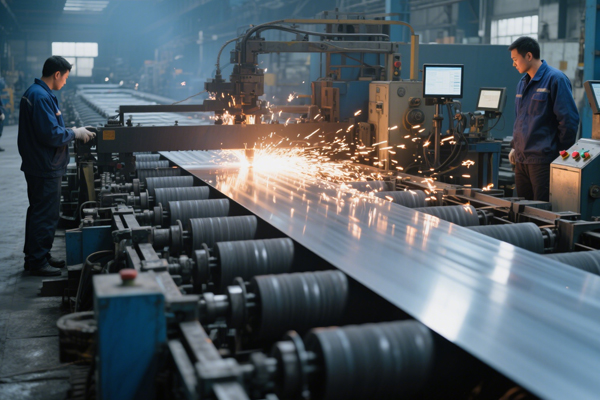
The production of color coated Galvalume steel coil follows a continuous coil coating process. Each stage affects the final performance of the finished product.
1. Surface Cleaning
Before painting, the steel surface is cleaned to remove oil, dust, and other contaminants. A clean surface is essential because remaining impurities can reduce coating adhesion.
2. Chemical Pretreatment
A chemical pretreatment layer is applied to improve bonding between the metal surface and paint layers. It also contributes to corrosion protection, especially around cut edges and formed areas.
3. Primer Application
The primer layer acts as an intermediate protective layer between the substrate and the topcoat. It improves coating adhesion and provides additional corrosion resistance.
4. Topcoat Application
The topcoat determines the final appearance and contributes to resistance against sunlight, moisture, and environmental exposure. Different paint systems can be selected depending on application requirements.
5. Oven Curing
After coating, the steel passes through curing ovens where the paint layers are hardened under controlled conditions. Proper curing affects coating hardness, flexibility, and durability.
6. Quality Inspection
Finished coils are inspected for coating thickness, surface condition, and other quality requirements before delivery.
| Manufacturing Stage | Quality Impact |
| Cleaning | Removes contaminants that may affect adhesion |
| Pretreatment | Improves bonding between coating layers |
| Primer coating | Enhances corrosion protection |
| Topcoat application | Provides weather resistance and appearance |
| Curing process | Determines coating hardness and durability |
What Are the Main Layers of the Coating Structure?
The coating structure of color coated Galvalume steel consists of multiple layers working together:
Decorative Topcoat
↓
Primer Layer
↓
Chemical Pretreatment
↓
Aluminum-Zinc Alloy Coating
↓
Steel Substrate
Each layer has a specific function:
- The topcoat controls color retention, gloss, and weather resistance.
- The primer improves adhesion and provides additional protection.
- The chemical pretreatment reduces the risk of coating separation.
- The aluminum-zinc alloy coating protects the steel substrate from corrosion.
- The steel substrate provides the required mechanical strength.
What Specifications Define 120G Color Coated Galvalume Steel Coil Quality?
When purchasing coated steel products, technical specifications determine not only product performance but also final cost. Important parameters include steel grade, thickness, width, coating weight, paint system, surface finish, and color requirements.
Steel Grade, Thickness, and Dimensional Requirements
Steel grade selection depends on forming requirements, structural application, and applicable standards.
Common steel grade references include:
- DX51D
- SGCC
- ASTM CS grades
- Other grades according to project requirements
Thickness is another important factor.Base steel thickness and total thickness should be evaluated separately, as the coating layers add to the final measured thickness.
Important dimensional considerations include:
- Thickness tolerance
- Width tolerance
- Coil consistency
Accurate thickness control helps maintain:
- Structural strength
- Forming performance
- Material utilization efficiency
For projects involving bending, roll forming, or panel fabrication, consistent mechanical properties are especially important.
What Does 120G Coating Mean?
The term “120G” refers to coating weight, which indicates the amount of coating applied to the steel surface. Coating weight is an important factor when evaluating corrosion protection requirements.
The required coating level depends on:
- Climate conditions
- Installation environment
- Expected service life
Different environments may require different protection levels. For example, coastal or industrial areas may have higher exposure risks compared with inland applications.
It is also important to understand that aluminum-zinc coated steel and traditional zinc-coated steel use different protective mechanisms. Aluminum contributes to barrier protection, while zinc provides sacrificial protection.
Paint Systems: PE, SMP, HDP, and PVDF
The paint system influences appearance, weather resistance, and service performance. Different coatings are selected according to project requirements and expected exposure conditions.
| Paint System | Main Characteristics | Typical Applications |
| PE | Cost-effective and suitable for general applications | Residential roofing, standard panels |
| SMP | Improved weather resistance compared with standard polyester | Commercial buildings |
| HDP | Better color retention and durability | Industrial buildings |
| PVDF | Premium weather resistance and appearance retention | Architectural projects |
Key performance factors include:
- UV resistance
- Color stability
- Scratch resistance
- Cost considerations
Selecting a paint system requires balancing environmental conditions, design requirements, and budget expectations.
What Is the Difference Between PREPAINTED GALVANIZED STEEL and Color Coated Galvalume Steel?
Both products are factory-coated steel materials, but the main difference is the substrate beneath the paint layer.
PREPAINTED GALVANIZED STEEL uses zinc-coated steel as the base material, while color coated Galvalume steel uses an aluminum-zinc alloy coated substrate.
| Feature | PREPAINTED GALVANIZED STEEL (PPGI) | Color Coated Galvalume Steel (PPGL) |
| Substrate | Zinc-coated steel | Aluminum-zinc coated steel |
| Main coating | Zinc | Aluminum-zinc alloy |
| Corrosion resistance | Good general protection | Higher resistance in many exposure conditions |
| Heat resistance | Moderate | Better performance under heat exposure |
| Common applications | General construction and roofing | Roofing, siding, and high-exposure buildings |
| Cost level | Usually lower | Often higher due to substrate performance |
How Should Buyers Select Between PPGI and PPGL?
The choice between PPGI and PPGL depends on project conditions rather than a single universal standard.
Important selection factors include:
- Coastal or high-humidity environments
- Industrial exposure levels
- Temperature conditions
- Required service life
- Budget considerations
For general construction projects, PPGI may meet many requirements. For applications involving higher exposure or additional corrosion concerns, Galvalume-based products may provide advantages.
What Applications Use 120G Color Coated Galvalume Steel Coil?
120G Color Coated Galvalume Steel Coil is widely used in construction because it combines corrosion protection, appearance, and processing flexibility.
Roofing Sheets and Building Panels
One of the main applications is roofing systems. ROOFING SHEETS made from color coated Galvalume steel are commonly selected for residential, commercial, and industrial buildings.
The reasons include:
- Corrosion resistance
- Lightweight structure
- Attractive surface appearance
- Reduced maintenance requirements
Typical applications include:
- Residential roofing
- Commercial buildings
- Industrial warehouses
The factory-applied coating provides a finished surface that can be formed into different panel profiles while maintaining coating integrity.
Industrial and Commercial Applications
Beyond roofing, color coated Galvalume steel is used in various building and industrial applications, including:
- Wall cladding
- Factory buildings
- Agricultural structures
- Prefabricated buildings
- Equipment enclosures
For these applications, material selection often depends on environmental exposure, forming requirements, and appearance expectations.
What Factors Affect Color Coated Galvalume Steel Coil Pricing?
The price of Color Coated Galvalume Steel Coil is influenced by several factors throughout the production and delivery process. Instead of a fixed product price, suppliers usually calculate quotations based on material specifications, coating requirements, order volume, and logistics conditions.
A basic pricing structure can be summarized as:
Steel price + Aluminum-zinc coating + Paint system + Thickness + Order quantity + Packaging + Freight
Understanding these factors helps buyers compare quotations more effectively and identify whether differences come from material quality, processing requirements, or logistics arrangements.
Key Cost Factors
Raw Material Costs
Steel prices fluctuate according to market conditions, production costs, and supply chain changes. Since steel substrate represents a major part of the final product cost, raw material variation directly affects coil pricing.
Coating Requirements
The coating system also influences the final quotation.
Important factors include:
- Coating weight
- Aluminum-zinc coating level
- Paint type
- Paint thickness requirements
Higher-performance paint systems, such as HDP and PVDF, generally involve additional processing requirements compared with standard coatings.
Product Specifications
Product dimensions and technical requirements affect manufacturing costs, including:
- Thickness
- Width
- Coil weight
- Surface finish
- Color requirements
Customized specifications may require additional production adjustments compared with standard sizes.
Logistics and Packaging
Export-related costs should also be considered when evaluating total purchasing costs.
Factors include:
- Packaging requirements
- Shipping distance
- Container loading method
- Transportation conditions
For international shipments, proper packaging helps reduce risks such as moisture exposure, surface scratches, and coil deformation.
How to Choose a Reliable PREPAINTED GALVANIZED STEEL Supplier?
Selecting a supplier involves more than comparing product prices. For industrial purchasing, production capability, quality control, documentation, and delivery experience all affect long-term supply reliability.
A qualified GALVANIZED STEEL Manufacturer should be able to provide consistent product quality, technical support, and transparent documentation throughout the purchasing process.
Evaluate Manufacturing Capability
A supplier’s manufacturing capability directly affects product consistency.
Important evaluation points include:
- Continuous coil coating capability
- Production process control
- Quality inspection equipment
- Stable production capacity
A controlled production process helps maintain consistency in coating thickness, surface appearance, and mechanical properties between different production batches.
Suppliers with experience in international markets should also understand different regional standards and documentation requirements.
Review Quality Documentation
Technical documents help verify whether products meet project requirements.
Common supporting documents include:
- Product specifications
- Test reports
- Certificates
- Inspection records
- Mill Test Certificates
Runfei provides products supported by:
- ISO 9001 certification
- SGS certification
- RoHS Directive compliance
These documents help buyers review material information, production standards, and quality verification before shipment.
Check Export Packaging and Delivery Capability
Packaging is an important part of steel coil transportation, especially for overseas shipments.
Common export protection methods include:
- Standard seaworthy packing
- Horizontal packing
- Vertical packing
- Moisture protection
- Surface protection
- Coil deformation prevention
Proper packaging helps protect the painted surface during loading, transportation, and storage.
Runfei provides:
- Factory pricing combined with trading services
- Small order acceptance before formal cooperation
- 24-hour response service
- 48-hour solution support
- Alibaba Trade Assurance protection
These services help reduce communication delays and improve purchasing confidence for international buyers.
Frequently Asked Questions
What Is the Difference Between PPGI and PPGL Steel Coil?
PPGI uses galvanized steel as the substrate, while PPGL uses aluminum-zinc coated steel. PPGL generally offers better corrosion and heat resistance, making it suitable for roofing, siding, and exposed structures in more demanding environments.
How Long Does Color Coated Galvalume Steel Coil Last?
The service life of color coated Galvalume steel depends on the coating system, environmental conditions, installation quality, and maintenance. The appropriate substrate and paint system should be selected based on the application environment.
Which Paint System Is Best for Roofing Applications?
The suitable paint system depends on project requirements:
- PE: General roofing applications with cost efficiency.
- SMP: Improved weather resistance.
- HDP: Better durability and color retention.
- PVDF: Long-term appearance performance for premium projects.
How Is Color Coated Steel Coil Quality Tested?
Quality testing typically includes thickness measurement, coating thickness inspection, adhesion testing, T-bend testing, impact resistance testing, salt spray testing, and surface inspection. Technical documents such as inspection reports and certificates also help verify product quality.
Conclusion
Choosing the right Color Coated Galvalume Steel Coil requires a clear understanding of substrate selection, coating structure, technical specifications, quality inspection, and supplier capability.
A reliable product is not determined only by surface appearance. Factors such as aluminum-zinc coating performance, paint system selection, thickness accuracy, manufacturing control, and export protection all influence the final application results.
For buyers comparing coated steel solutions, evaluating supplier experience and documentation is equally important as reviewing product specifications. A supplier with stable production capability, quality management systems, and export experience can provide better support throughout the procurement process.
Contact Runfei for 120G Color Coated Galvalume Steel Coil specifications, quotation requirements, packaging options, and sourcing support.