Key Takeaways
- Carbon steel generally has a lower upfront material cost. However, it may require additional coatings or corrosion protection during service.
- 201 stainless steel sheet usually costs more upfront. Its corrosion resistance can reduce the need for some protective coatings and maintenance.
- The more cost-effective choice depends on the application, surface finish, sheet thickness, fabrication method, and expected service life.
Where Does the Cost Difference Between 201 Stainless Steel Sheet and Carbon Steel Come From?
The price difference mainly comes from alloy composition and production requirements. Carbon steel has a relatively simple composition and is widely available. As a result, its initial material cost is generally lower.
In comparison, 201 stainless steel contains alloying elements such as chromium, nickel, and manganese. Typical compositions include about 16%–18% chromium, 3.5%–5.5% nickel, and 5.5%–7.5% manganese. These elements add to the material cost. Therefore, 201 stainless steel usually costs more than standard carbon steel.
Even so, 201 stainless steel remains a cost-conscious option among stainless steel grades. Its relatively low nickel content helps keep alloy costs down. At the same time, it provides corrosion resistance for suitable applications. Compared with some austenitic grades that contain more nickel, 201 stainless steel can suit buyers who need stainless steel performance while keeping material costs under control.
However, the price per ton should not be the only factor in a comparison. Corrosion protection, fabrication, and maintenance can also affect the total cost.
For dry indoor applications, carbon steel may offer a lower overall cost, especially when an existing corrosion protection method is already in place. In humid or outdoor environments, however, carbon steel may need additional protection. In such cases, the higher initial cost of 201 steel may be partly offset by lower coating and maintenance needs.
Actual Cost Comparison
| Cost Factor | 201 Stainless Steel Sheet | Carbon Steel |
| Initial material price | Usually higher | Usually lower |
| Corrosion resistance | Good resistance in suitable environments | Often needs additional protection in exposed environments |
| Surface protection | Basic corrosion resistance generally does not require an additional coating | May require painting, galvanizing, or other protection |
| Maintenance cost | Generally lower in suitable applications | May be higher when protective coatings need inspection or repair |
| Appearance | Available in 2B, BA, No. 4, hairline, mirror, and other finishes | Often needs coating or other treatment for the desired appearance |
| Material selection | Choose a grade that suits the application | Select the appropriate steel grade and corrosion protection |
| Long-term cost | May offer better value in some applications | Depends heavily on protection and maintenance costs |
| Budget considerations | Worth considering when corrosion resistance adds practical value | More economical when the environment allows simple protection |
When Is 201 Stainless Steel More Worth Considering Than Carbon Steel?
1. When Corrosion Protection Adds Significant Cost
In dry indoor environments, carbon steel is often more economical because its initial material cost is lower. The situation changes when the material is exposed to rain, moisture, or wash water for long periods.
Under these conditions, carbon steel may need painting, coating, or galvanizing to limit corrosion. The cost does not stop at the initial treatment. Regular inspection, repair, and recoating may also be necessary. As these costs increase, the initial price advantage of carbon steel becomes less significant.
201 stainless steel has a higher upfront cost. However, its inherent corrosion resistance can reduce the need for protective coatings in suitable environments. This may also lower some maintenance requirements.
When carbon steel requires ongoing corrosion protection, 201 stainless steel may offer a better long-term cost balance despite its higher initial price.
2. When Surface Appearance Matters
Carbon steel can achieve a specific appearance through painting or other surface treatments. These additional processes, however, can increase fabrication time and cost.
Depending on the supplier and specification, 201 stainless steel sheet is available in finishes such as 2B, BA, No. 4, hairline, satin, and mirror.
For exposed components, decorative parts, or products where appearance matters, stainless steel can provide a finished metal surface without relying on a paint coating for appearance.
3. When Service Life Matters More Than the Lowest Purchase Price
For short-term applications or projects where carbon steel has adequate protection, the lower purchase price may be the main consideration.
For long-term applications, buyers should look beyond the initial price. Consider the following costs:
- Initial material cost
- Fabrication cost
- Surface treatment cost
- Installation cost
- Routine maintenance
- Repair costs
- Replacement costs
- Potential downtime costs
A material with a higher purchase price can still be a practical choice if it helps reduce costs during service.
From Cost Comparison to Purchasing: How Do You Choose the Right 201 Stainless Steel Sheet?
If 201 stainless steel meets the project’s requirements for cost, corrosion resistance, service life, and fabrication, the next step is to evaluate the product and supplier.
For buyers considering Runfei’s 201 stainless steel sheet, three areas deserve attention: specification matching, surface requirements, and long-term supply capability.
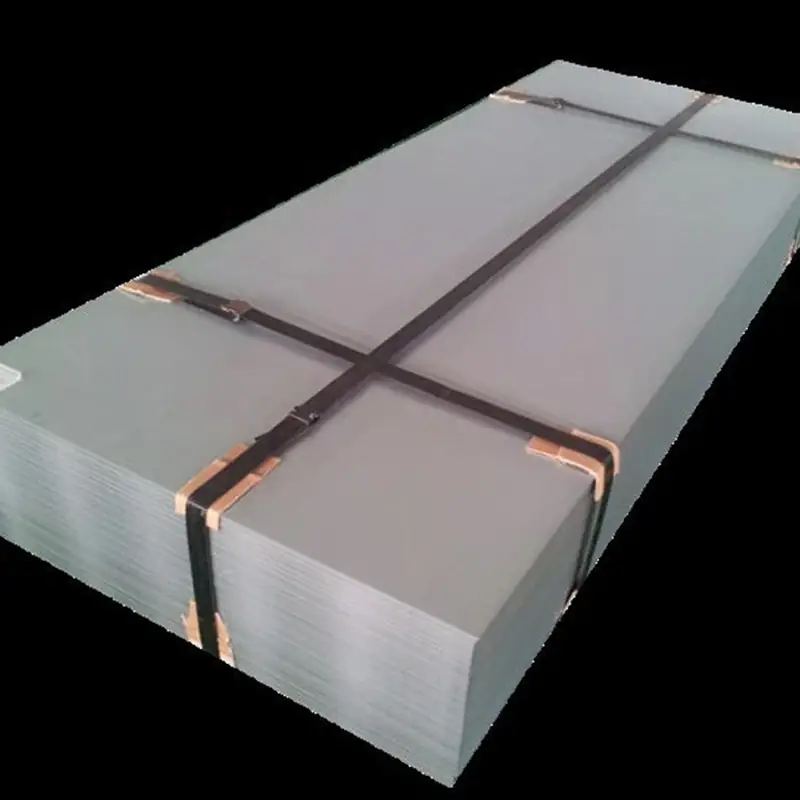
1. Confirm the Sheet Specifications First
Different projects may require different thicknesses, dimensions, and tolerances, even when they use the same 201 stainless steel grade. If the sheet does not match the fabrication requirements, additional cutting or adjustment may be necessary. This can increase processing time and cost.
Before requesting a quotation, confirm the required thickness, dimensions, quantity, and applicable standard. Runfei can provide 201 stainless steel sheets based on project requirements. The company supports AISI, ASTM, BS, DIN, GB, and JIS standards.
Providing complete specifications at the RFQ stage helps buyers confirm product requirements before placing an order. It also makes supplier quotations easier to compare.
2. Choose the Surface Finish Based on the Final Application
For exposed components, decorative parts, or products where appearance matters, confirm the surface finish before placing the order.
Different finishes create different surface appearances. They may also suit different applications. For this reason, the required finish should be included in the RFQ from the beginning.
Runfei offers 2B, BA, No. 4, Hairline, and 8K mirror finishes. Buyers can select the finish according to the final application. Include the finish with the required thickness, dimensions, and quantity when requesting a quotation.
This gives suppliers a complete set of requirements. It also allows buyers to compare quotations on the same basis.
3. Compare the Supplier’s Long-Term Supply Capability
Once the specifications are clear, supplier selection should go beyond price. For repeat purchases, production capacity, MOQ, packaging, and communication can all affect order fulfillment.
Runfei has its own factory and professional team. The company provides factory pricing along with trade support. For first-time buyers, a smaller MOQ can be used to evaluate the product and purchasing process before placing larger orders.
Runfei also offers standard export seaworthy packaging or customized packaging. The team responds to inquiries within 24 hours and aims to provide solutions to order-related issues within 48 hours.
These services can reduce communication costs during long-term cooperation. They can also make repeat purchasing easier.
FAQ
1. Is 201 Stainless Steel Cheaper Than 304 Stainless Steel?
201 stainless steel is generally positioned as a lower-cost alternative to many 300-series austenitic stainless steels because it contains less nickel. However, the actual price depends on factors such as sheet thickness, surface finish, dimensions, order quantity, market conditions, and supplier.
2. Is 201 Stainless Steel Better Than Carbon Steel?
Neither material is always better. 201 stainless steel forms a chromium-rich passive layer that provides corrosion resistance. Carbon steel may be more economical when the environment is well controlled and corrosion protection is simple.
The right choice depends on the service environment, technical requirements, and total cost rather than the material name alone.
3. Can 201 Stainless Steel Replace Carbon Steel?
It can replace carbon steel in some applications, but the two materials are not directly interchangeable.
Before making a substitution, buyers should consider the corrosion environment, mechanical requirements, fabrication method, applicable standards, and total cost.
4. What Information Should Be Included in an RFQ for 201 Stainless Steel Sheet?
An RFQ should generally include the material grade, applicable standard, thickness, dimensions, tolerances, surface finish, quantity, delivery location, and packaging requirements.
If required, buyers should also specify MTC or other inspection documents. A detailed RFQ allows suppliers to quote against the same requirements. This makes price comparisons more meaningful.
Conclusion
The lowest material price does not always mean the lowest overall project cost. When the application is well protected and corrosion control is simple, carbon steel may offer a lower overall cost. When corrosion resistance, appearance, lower maintenance, or long service life matters more, 201 stainless steel sheet may help offset its higher initial price through lower ongoing costs.
If 201 stainless steel is the right choice for your project, Runfei provides sheets in different thicknesses, dimensions, and surface finishes. The company supports AISI, ASTM, BS, DIN, GB, and JIS standards. Factory pricing, smaller MOQs, and standard or customized export packaging provide flexibility for different purchasing volumes and delivery needs.If you are comparing 201 stainless steel sheet suppliers, contact Runfei with your required thickness, dimensions, surface finish