Key Takeaways
Abrasion resistant steel is widely applied in heavy-duty equipment and structures that operate under high wear and impact conditions.
AR400 abrasion resistant steel plate offers a balanced combination of hardness, toughness, weldability, and cost efficiency for heavy-duty applications.
AR400 steel plate is widely specified for excavator buckets, dump trucks, mining equipment, crushers, hoppers, and industrial wear liners.
Choosing a wear resistant steel grade starts with understanding the actual application conditions, including impact severity, plate thickness, fabrication requirements, and service expectations.
Since 2006, Runfei Steel Group has been providing global customers with wear resistant steel solutions through its steel processing, inventory, and export services.
What Is Abrasion Resistant Steel?
What Makes Abrasion Resistant Steel Resistant to Wear?
Abrasion resistant steel is an alloy steel used in applications where materials are exposed to heavy wear, impact, and abrasive conditions during operation.
Compared with ordinary carbon steel products, abrasion resistant steel provides higher hardness and better resistance to surface damage.
Unlike standard structural steel, abrasion resistant steel plates are manufactured with controlled chemical compositions and heat treatment processes to achieve higher hardness and improved resistance against wear.
In industries such as mining, construction, and bulk material handling, ordinary steel plates often face problems such as:
- Surface damage caused by continuous contact with abrasive materials
- Loss of plate thickness due to ongoing wear
- Shortened service life of steel components
- Increased equipment downtime and maintenance expenses
With higher hardness and better wear resistance, abrasion resistant steel can maintain performance even when exposed to continuous friction and heavy impact.
When choosing wear resistant steel, industrial users need to consider more than just hardness. The right grade depends on factors such as:
- Material impact level
- Abrasive material type
- Operating temperature
- Equipment design
- Required service life
How Does Abrasion Resistant Steel Improve Wear Resistance?
Hardness is one of the most important factors when evaluating abrasion resistant steel plate performance.
Most wear-resistant grades are classified according to Brinell Hardness Number (BHN).
Generally, higher hardness improves resistance against abrasive wear. However, actual wear performance is also affected by factors such as toughness, impact resistance, and working conditions.
A very hard steel plate may perform well against sliding abrasion but may have reduced toughness under heavy impact conditions.
In harsh applications with rocks, minerals, and repeated impacts, steel needs enough hardness for wear resistance and sufficient toughness to absorb shocks.
This is why AR400 remains one of the most widely used abrasion resistant steel grades. It provides reliable wear resistance while maintaining better fabrication characteristics compared with higher hardness grades.
AR400 Abrasion Resistant Steel Plate Specifications
AR400 Hardness Range and Mechanical Properties
AR400 is one of the most commonly specified abrasion resistant steel grades for industrial wear applications.
The “400” designation refers to its approximate Brinell hardness level.
Most AR400 steel plates fall within the 360–440 BHN hardness range. Actual hardness values may differ slightly based on the steel mill’s process and specifications.
Common characteristics include:
- High resistance to abrasive wear
- Balanced hardness and toughness
- Good weldability compared with higher hardness grades
- Suitable performance for heavy-duty applications
AR400 is widely used in applications that require better wear resistance while keeping processing requirements and costs under control.
Chemical Composition and Heat Treatment
As a specialized alloy steel product, abrasion resistant steel achieves improved wear performance through controlled chemical composition and heat treatment.
Common alloying elements include:
- Carbon, which improves hardness
- Manganese, which increases strength
- Chromium and other alloying elements, which enhance wear resistance
In addition to alloying elements, the heat treatment process determines how AR400 develops its final hardness and mechanical properties.
Industrial buyers should request:
- Chemical composition reports
- Mechanical property reports
- Hardness test results
- Heat treatment records
These documents provide details about the material’s properties and production quality for quality control purposes.
Available Thickness and Size Considerations
Choosing the correct plate thickness is essential for achieving expected service life.
| Application | Recommended Thickness Range | Selection Consideration |
| Excavator bucket liners | 6–12 mm | Balance weight and wear resistance |
| Dump truck bodies | 8–20 mm | Consider impact from transported materials |
| Mining equipment liners | 20–50 mm | Requires higher wear protection |
| Crushers and heavy wear components | 25 mm+ | Designed for severe abrasion conditions |
Final thickness selection depends on:
- Operating environment
- Impact loading
- Material hardness
- Replacement cycle requirements
AR400 vs AR450 vs AR500: How to Choose the Right Wear Plate
Selecting an abrasion resistant steel grade depends on the actual working conditions, not just the hardness rating.
In actual applications, wear performance also depends on factors beyond hardness.
The best grade depends on whether the application requires:
- Higher wear resistance
- Better impact toughness
- Easier fabrication
- Lower lifecycle cost
| Feature | AR400 Steel | AR450 Steel | AR500 Steel |
| Hardness Level | Approx. 360–440 BHN | Approx. 430–480 BHN | Approx. 470–540 BHN |
| Wear Resistance | Suitable for general abrasion applications | Better resistance for heavier wear conditions | Designed for severe abrasion environments |
| Impact Performance | Strong balance of hardness and toughness | Good balance of wear and impact resistance | Higher hardness with reduced flexibility |
| Fabrication Difficulty | Easier cutting and welding | Requires more fabrication control | Requires stricter processing procedures |
| Typical Applications | Construction equipment, dump trucks, liners | Mining equipment, heavy-duty wear parts | Crushers, extreme abrasion applications |
Typical hardness ranges may vary depending on manufacturer specifications.
When Should You Choose AR400 Steel?
Due to its wear resistance and relatively easy processing characteristics, AR400 is commonly used in heavy-duty equipment components.
Common applications include:
- Excavator buckets
- Dump truck bodies
- Construction machinery components
- General wear liners
- Material handling equipment
For many industrial users, AR400 provides the best balance between:
- Purchase cost
- Service life
- Fabrication requirements
When Is AR500 a Better Choice?
AR500 is designed for environments with extremely severe abrasion.
Typical applications include:
- Mining liners
- Crusher components
- Heavy impact areas
- High-wear material handling systems
AR500 with higher hardness may provide better wear resistance, but it can also bring challenges in fabrication and impact loading conditions.
The correct selection should always consider actual operating conditions.
AR400 vs NM400 vs Hardox 400
AR400, NM400, and Hardox 400 are commonly compared by industrial buyers searching for abrasion resistant steel solutions.
| Grade | Market Position | Characteristics |
| AR400 | International wear-resistant steel designation | Balanced hardness, toughness, and wear resistance |
| NM400 | Chinese wear-resistant steel grade | Similar wear-resistant performance under Chinese standards |
| Hardox 400 | Premium branded wear plate from SSAB | Consistent quality with strong global recognition |
Actual performance depends on:
- Chemical composition
- Heat treatment process
- Thickness
- Quality control system
Buyers should evaluate the complete specification rather than comparing brand names or hardness values alone.
Main Applications of Abrasion Resistant Steel Plate
Construction Equipment
Excavator buckets, loader components, and other high-wear parts often use AR400 steel plate to handle contact with soil, rocks, and abrasive materials.
Mining Machinery
Mining equipment often works under heavy loads, with components exposed to constant impact and abrasive materials. Parts such as liners, crusher components, chute plates, and conveyor wear plates are often manufactured with abrasion resistant steel for better durability.
Dump Truck Bodies
Dump truck bodies are exposed to constant abrasion from rocks and bulk materials during loading and transportation. AR400 steel plate helps these areas withstand impact and abrasion during service.
AR400 Steel Fabrication Guide
Cutting Methods
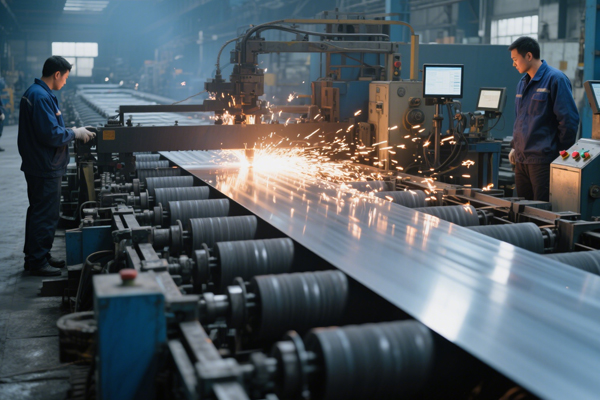
AR400 can be cut by plasma, flame, or laser methods. Due to its high hardness, proper cutting parameters are needed to reduce heat-affected zones and edge deformation.
Welding Recommendations
AR400 is weldable with suitable procedures. Suitable welding materials and controlled heat input are important, especially for thicker plates, to prevent changes in the weld zone.
Bending Considerations
Because of its hardness, AR400 requires controlled bending processes. Proper selection of bending radius and equipment is important, especially when processing thicker AR400 plates.
How to Choose a Reliable Abrasion Resistant Steel Supplier
Manufacturing Capability and Supply Stability
Processing capability and stock availability are key factors when evaluating a steel supplier.
Founded in 1998, Runfei Steel Group operates a Tianjin processing base with 30,000 tons of indoor storage and 300,000 tons of annual processing capacity for standard and customized steel orders.
Export Experience and Customized Steel Services
With steel export experience since 2006, Runfei provides integrated services including steel sourcing, processing, storage, and distribution. For overseas customers, export experience, complete documentation, proper packaging, and flexible cutting services are important parts of supplier evaluation.
Why Choose Runfei AR400 Abrasion Resistant Steel Plate?
Runfei Steel Group supplies AR400, AR450, and AR500 abrasion resistant steel plates with customized cutting, quality inspection support, and export service capabilities.
With experience in international steel supply, Runfei helps industrial buyers meet different wear-resistant steel requirements.
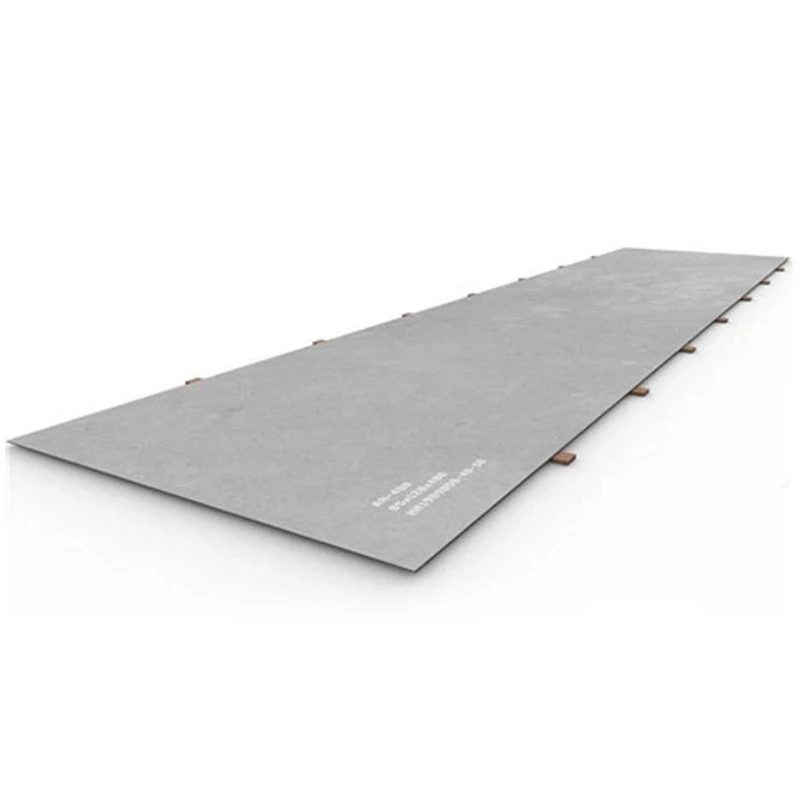
Request AR400 Steel Plate Supply Information
If you are sourcing abrasion resistant steel plate for mining, construction, or heavy equipment applications, Runfei Steel Group can provide:
- AR400 / AR450 / AR500 grade selection support
- Customized cutting services
Contact Runfei steel specialists to discuss your application requirements and receive a suitable wear-resistant steel solution.
Frequently Asked Questions About Abrasion Resistant Steel
Q1:What is abrasion resistant steel used for?
Components exposed to heavy wear often use abrasion resistant steel, including excavator buckets, crusher parts, liners, and material handling equipment.
Q2:What is the difference between AR400 and AR500 steel?
AR400 provides balanced hardness, toughness, fabrication performance, and cost efficiency. AR500 is designed for harsher wear conditions, but its higher hardness may require more careful cutting and fabrication practices.
Q3:Can AR400 abrasion resistant steel plate be welded and fabricated?
Yes. AR400 can be welded and processed using suitable fabrication methods. Proper heat input, welding techniques, and bending parameters should be used during fabrication.
Q4:How long does AR400 steel plate last compared with ordinary steel?
AR400 usually has a longer service life than standard carbon steel when used in abrasive environments. Its actual lifespan varies based on working conditions, impact levels, plate thickness, and the type of material being handled.
Q5:What industries commonly use abrasion resistant steel?
Abrasion resistant steel is commonly used in industries where equipment and components face frequent wear and impact. Typical applications can be found in mining, construction, transportation, material handling, heavy equipment manufacturing, and steel and concrete-related industries.
Conclusion: Key Factors for Selecting Abrasion Resistant Steel
Abrasion resistant steel plays an important role in industries where equipment is exposed to continuous wear, impact, and harsh operating conditions. Better wear resistance allows equipment parts to withstand longer periods of operation before replacement is needed.
Among different grades, AR400 abrasion resistant steel plate is widely selected for its balanced combination of wear resistance, toughness, fabrication performance, and cost considerations.
Choosing the right wear resistant steel grade requires more than looking at hardness alone. Factors such as application conditions, plate thickness, fabrication requirements, quality documents, and supplier capabilities should all be considered before making a decision.
With its processing capacity, export experience, and customized steel services, Runfei Steel Group provides AR400 steel plate and other specialty steel products for customers with different industrial requirements.