Introduction: The Appeal of Electro-Galvanized Steel in Architecture
In contemporary architectural design, the visual consistency of metal surfaces has become a defining aesthetic feature. Electro-galvanized steel, with its notably smooth, spangle-free and matte appearance, has attracted growing interest from architects and facade engineers. This material appears ideal for interior panels, visual accents and precision-formed components. However, as bold exterior metalwork becomes more common, a critical question consistently arises from project planners and procurement managers: Is electro-galvanized steel suitable for exterior use? More importantly, is electro-galvanized good for outdoor use when it must withstand decades of rain, pollution and temperature swings? The answer lies not in its surface appearance but in the microscopic architecture of the coating itself. The fundamental durability difference between a thin electrolytic zinc layer and a robust hot-dip coating ultimately determines whether the steel can withstand long-term outdoor exposure, making a basic understanding of the corrosion mechanism essential for any successful architectural specification.
Technical Definition and Grade Specifications (SECC-P vs. DX51D Z)
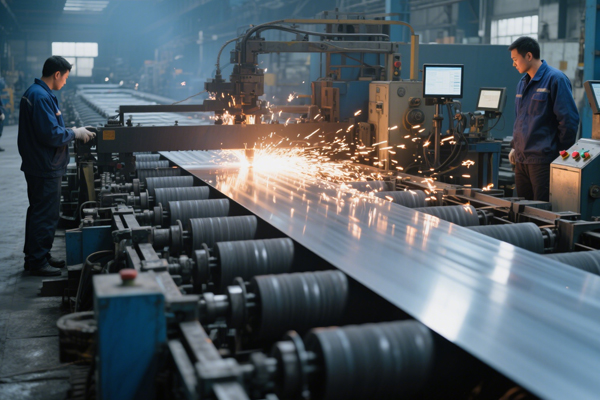
To assess outdoor suitability, we must first define what electro-galvanized steel actually is. Unlike hot-dip processes where steel is immersed in molten zinc, electro-galvanizing uses an electrochemical deposition process. Within a controlled electrolyte bath, a precisely controlled layer of pure zinc is deposited onto a cold-rolled steel substrate. This yields the trademark uniformity and a tightly adherent coating ideal for subsequent painting. A common grade specified in architecture and consumer electronics is SECC-P, prized for its high formability and superior paint adhesion. It is fundamentally different from structural hot-dip grades such as DX51D Z, where the steel strip passes through a molten zinc bath, forming a metallurgically bonded zinc-iron alloy layer and a substantially thicker outer zinc layer. When a galvanized steel manufacturer is consulted for an exterior architectural project, distinguishing between these two coating families is typically the first technical filter applied, because it determines the available corrosion allowance for the component’s service life.
The Atmospheric Corrosion Mechanism of Electro-Galvanized Steel
The scientific principle of corrosion protection for any zinc-coated steel relies on galvanic (sacrificial) protection. Zinc, being more anodic than iron, corrodes preferentially, protecting the underlying steel even at cut edges or scratches. The degradation process in the atmosphere follows a predictable path. Initially, fresh zinc reacts with moisture and atmospheric carbon dioxide to form a dense, stable passive film of basic zinc carbonate. This film acts as the first defence, thereby slowing the corrosion rate of zinc in clean, benign air.
Critical Vulnerabilities and Measured Corrosion Rates
The critical vulnerability of electro-galvanized steel lies in its physical geometry—specifically, an ultra-thin coating thickness. Commercial electro-galvanized steel coil typically carries a zinc layer of merely 1.2 to 8.5 µm (roughly 10 to 60 g/m²). In contrast, even a standard hot-dip structural grade DX51D Z often provides a continuous zinc thickness of 20 µm or more (≥120 g/m²), with heavier coatings readily available. Long-term atmospheric exposure data published by the International Zinc Association, a globally recognised authority on zinc corrosion, indicates that pure zinc in a typical urban or light industrial atmosphere (ISO 9223 C3) corrodes at a rate between approximately 1 and 2 µm per year. For an electro-galvanized steel coil with a 5 µm coating, simple stoichiometric consumption depletes the sacrificial zinc layer in as little as two to four years of outdoor exposure, although perfectly uniform corrosion rarely occurs in practice.
Accelerated Degradation in Aggressive Environments
The chemical degradation accelerates significantly in aggressive environments. Airborne sulphur dioxide from industrial zones forms sulphurous and sulphuric acids, while chloride ions in coastal salt spray rapidly dissolve the protective basic zinc carbonate film. Once the local zinc coating is depleted, the galvanic protection ceases at those spots. The exposed iron base electrochemical corrosion begins in the presence of moisture and oxygen, forming voluminous, non-protective iron oxide (red rust), which indicates coating failure and aesthetic deterioration. This combination of a thin barrier and rapid sacrificial consumption is the core scientific reason why uncoated electro-galvanized steel is fundamentally incapable of decades-long exterior survival.
The Direct Verdict and a High-Performance Alternative
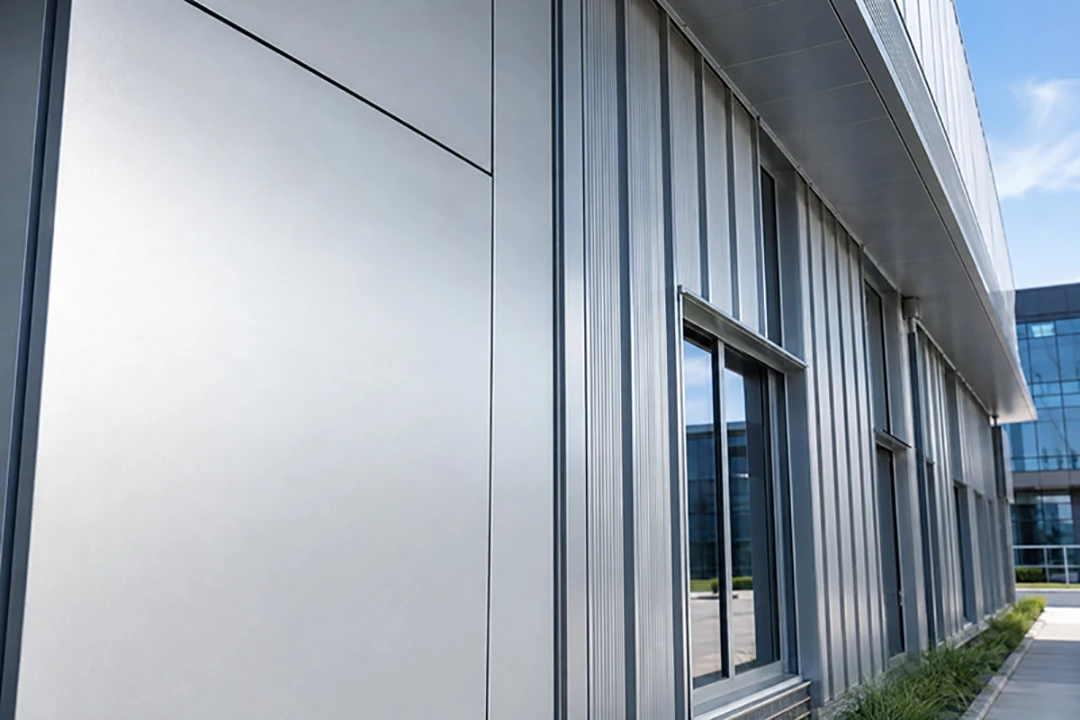
Based strictly on the corrosion mechanism and coating thickness, the direct answer is clear: uncoated electro-galvanized steel (SECC-P or equivalent) is not recommended as an exposed architectural material for exterior facades, roofing or structural cladding in any application where a multi-decade aesthetic and protective life is expected. The intended application scope is narrow. Unacceptable scenarios include coastal buildings exposed to saline aerosols, industrial zones with acid rain, and any high-humidity open-air installation where the surface does not quickly dry. For these demanding exterior settings, ZAM steel and equivalent zinc-aluminum-magnesium alloy-coated products offer a fundamentally different performance envelope, one that cannot be matched by a thin layer of pure zinc.
Comparative Life Expectancy Data
To translate these corrosion principles into practical design limits, the following table offers an evidence-based comparison of coating systems under standardised C3 and C4 conditions. The estimates draw on the same International Zinc Association corrosion rate frameworks and published alloy performance reports that inform industrial coating specifications worldwide.
| Steel Substrate & Coating Type | Typical Coating Thickness | Typical Time to First 5% Red Rust (C3, Urban/Industrial) | Typical Time to First 5% Red Rust (C4, Coastal/High SO₂) |
| SECC-P (Electro-Galvanized, Bare) | 5 µm (pure zinc) | < 2 years | < 1 year |
| DX51D Z (Hot-Dip Galvanized, Bare, Z275) | 20 µm (zinc-iron + zinc) | 15–25 years | 5–10 years |
| Zinc-Aluminum-Magnesium Alloy-Coated Steel (ZAM equivalent, ZM275) | 25 µm (alloy layer) | 35+ years | 15–25 years |
The Viable Path Through Pre-Painted Systems
The only practical approach for outdoor architectural applications for an electro-galvanized substrate is when it functions as the hidden base metal for a high-performance organic coil coating system. In such cases, products like PPGI and PPGL utilise multiple layers of oven-cured paint to completely isolate the thin zinc layer from the atmosphere. The corrosion protection relies almost entirely on the paint’s barrier properties, which, if a PVDF or high-durability polyester system is correctly specified and edges are sealed, can deliver a reliable 20-year external performance.
Material Strategies for Long-Life Outdoor Architecture
Faced with the clear limitations of thin electro-galvanized layers, designers can instead specify several material strategies that reliably meet long outdoor service lives. For load-bearing structures, photovoltaic mounting systems and exposed edge beams where red rust is unacceptable, zinc-aluminum-magnesium alloy-coated steels represent a high-performance alternative. Their alloy coating forms a densely layered, highly stable protective film that covers the surface and, crucially, actively migrates to protect cut edges and mechanically induced scratches. This self-healing characteristic gives such advanced alloys a corrosion resistance that is 5 to 10 times higher than that of conventional hot-dip galvanized steel in chloride-laden environments.
Sourcing Guidance and Supply Chain Expertise
Project developers navigating these choices often benefit from early technical engagement with a supplier who understands the full chain from mill to site. Drawing on practical experience in steel processing and international trading, Runfei Group serves as a specialised galvanized steel manufacturer, facilitating access to advanced alloy-coated steels, pre-painted products and structural hot-dip galvanized grades. By assessing the specific environmental corrosivity category and durability expectations of a project, a competent partner can help balance the competing demands of budget, architectural vision and long-term corrosion life, ensuring that the selected material performs as predicted without over-engineering or premature failure.
Frequently Asked Questions (FAQs)
Q1: What is the average outdoor lifespan of an uncoated electro-galvanized steel coil?
In a moderate C3 urban or light industrial setting, a bare electro-galvanized steel coil with a typical 3–5 µm zinc coating can begin to develop isolated red rust spots within 6 to 18 months. The coating may become largely depleted in less than two years, leaving the underlying steel vulnerable to widespread red rust. For any outdoor durability requirement beyond a temporary installation, this material is insufficient without a protective paint system.
Q2: Can SECC-P steel be used for exterior cladding if it is painted?
Yes, electro-galvanized steel can be used as a base substrate for factory-applied organic coatings. A properly specified system, such as those found in premium PPGI and PPGL, can provide a reliable barrier if the paint is applied to stringent film thickness specifications and is completely free of pinholes. Even then, unprotected cut edges on-site will remain a source of lateral under-film corrosion. Any painted cladding specification must include a robust edge-sealing protocol and is best reviewed by a coatings specialist.
Q3: Why are zinc-aluminum-magnesium alloy steels increasingly replacing conventional galvanized products in outdoor structures?
Zinc-aluminum-magnesium-coated steels are getting more and more attention because of their unique self-healing corrosion protection. Different from the pure zinc coating, which corrodes continuously throughout the thickness, aluminum and magnesium in these alloys will react with moisture in the atmosphere to form a stable, alkaline, dense passivation film. This film forms a protective corrosion product that partially covers exposed cut edges and scratches, preventing under-film rust creep. The resulting service life in outdoor structures, from solar energy mounts to highway barriers, far exceeds that of both electro-galvanized and standard continuous hot-dip galvanized steel, particularly in corrosive coastal and industrial atmospheres.
Conclusion
Electro-galvanized steel offers undeniable advantages in dimensional accuracy and surface finish, but its characteristic thin zinc layer imposes a fundamental physical limit that makes direct exterior exposure an unreliable design choice for permanent architecture. Left bare, corrosion thermodynamics dictates that the sacrificial anode is consumed too rapidly, leading to aesthetically damaging red rust well within the typical warranty period of a building. The appropriate path for designers who value the material’s smooth profile is to confine uncoated electro-galvanized to interior environments or to use it exclusively as the hidden substrate in a premium pre-painted system. For structural and exposed outdoor elements, moving to thicker barrier solutions such as ZAM steel or heavy hot-dip galvanized grades is a technically sound necessity. A collaborative early-stage review with an experienced steel supplier can bring clarity to these environmental durability trade-offs, helping project stakeholders align material selection with actual atmospheric exposure conditions for a building envelope that ages gracefully.