Key Takeaways
High carbon steel is generally selected when hardness, strength, wear resistance, and rigidity are important.
The right CARBON STEEL Product should be selected according to grade, dimensions, standard, processing condition, and final application.
C75S is a high-carbon spring steel grade used for springs and selected mechanical components.
A reliable CARBON STEEL Manufacturer should be able to provide clear material specifications and quality documentation.
What Is High Carbon Steel?
High-carbon steel is a kind of carbon steel with a higher carbon content compared to low-carbon and medium-carbon steels. Due to its higher carbon content, it exhibits superior hardness, strength, and wear resistance, especially after proper heat treatment.
According to the World Steel Association, carbon steel is primarily composed of iron and carbon, while the carbon content has an important influence on the steel’s properties. In practical manufacturing, the selected grade must therefore match both the required mechanical performance and the intended processing method.
High carbon steel is often considered for components exposed to repeated loading, friction, or wear. However, higher hardness can also reduce formability and make welding more demanding. Material selection therefore requires a balance between performance and manufacturability.
High Carbon Steel vs. Low and Medium Carbon Steel
| Steel category | General characteristics | Typical applications |
| Low carbon steel | Good formability and weldability | General fabrication |
| Medium carbon steel | Balanced strength and machinability | Machine components |
| High carbon steel | Higher hardness and wear resistance | Springs, tools, wear-resistant parts |
This classification provides a general starting point, but actual properties depend on the specific grade, processing condition, and heat treatment.
How to Choose the Right High Carbon Steel Grade?
Choosing a CARBON STEEL Product should begin with the performance requirements of the finished component.
Consider the Required Mechanical Performance
First step, identify which performance metric is critical. If the part requires high wear resistance, the steel grade needs to be strengthened; if it also requires significant deformation before heat treatment, another type must be selected.
Key considerations include:
- Required hardness and strength
- Wear and fatigue resistance
- Formability and machinability
- Heat treatment requirements
Heat treatment can substantially change the hardness and strength of high carbon steel. Buyers should therefore confirm whether the material is supplied in an annealed, cold-worked, hardened, tempered, or other specified condition.
Check Thickness, Width, and Tolerance
Dimensions are also important in industrial material selection. Thickness and width influence forming, cutting, stamping, and material utilization. Tight tolerances may be particularly important for components manufactured through automated production processes.
The required dimensions should therefore be defined before selecting a grade. Buyers should also confirm whether the specified tolerance follows the applicable material standard or a separate purchasing agreement.
Confirm the Applicable Standard
Different countries and regions use different steel standards, such as AISI, ASTM, DIN, EN, JIS, and GB.Similar designation names do not mean the materials are the same. To truly compare them, one must carefully examine the chemical composition, mechanical properties, delivery conditions, dimensions, and applicable standards.
Common High Carbon Steel Grades and Their Applications
High carbon steel includes a broad range of grades developed for different engineering requirements. Common examples include C-series steels, spring steels, tool steels, and selected SAE and JIS grades.
C75S: A High Carbon Spring Steel Grade
C75S is a high-carbon spring steel grade identified as material number 1.1248. SIJ Acroni lists C75S under EN 10132-4 for cold-rolled narrow steel strip for heat treatment, including spring steels and other applications. Its specified carbon range is 0.70%–0.80%, while manganese is specified at 0.60%–0.90%.
The combination of carbon content and alloying elements gives C75S characteristics suitable for applications where strength and spring performance are important. SIJ Acroni identifies applications including springs, spring parts, and other mechanical components.
Other Common High Carbon Grades
Different grades cater to different needs. SK85 and SK5 prioritize hardness and wear resistance, while the C series emphasizes carbon content and strength. 65Mn and SAE 1065 are commonly used in springs and mechanical parts.
In actual selection, the technical specifications must be followed; similar grade names do not necessarily indicate identical performance.
What Should Buyers Look for in a CARBON STEEL Manufacturer?
When selecting a CARBON STEEL Manufacturer, price is just one aspect. The supplier’s technical capabilities, delivery conditions, and whether they can match project requirements are more worth evaluating.
Grade and Specification Availability
First, confirm whether the manufacturer can supply the required grade, standard, thickness, width, and product form. If the project uses an international specification, the supplier should be able to communicate clearly about the applicable standard and material designation.
Quality Control and Traceability
Material quality is particularly important for components manufactured in large production volumes. Buyers should ask about chemical composition testing, dimensional inspection, mechanical testing, surface inspection, and material traceability where these requirements apply.
Mill test certificates or other material documentation can also help buyers verify that the supplied material corresponds to the agreed specification.
Processing, Packaging, and Delivery
For international procurement, the supplier’s processing and logistics capabilities should also be considered. Depending on the order, buyers may need specific cutting, slitting, packaging, surface protection, or shipping arrangements.
A clear specification sheet and written confirmation before production can reduce misunderstandings between the buyer and supplier.
Runfei High Carbon Steel Product for Industrial Applications
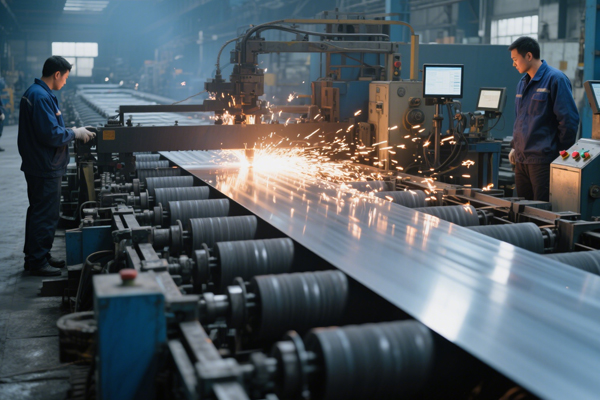
Runfei’s CARBON STEEL Product range focuses on high carbon steel for industrial applications where hardness, wear resistance, load resistance, or rigidity are required. According to the company’s product information, the material is used in areas including the automobile and home appliance industries.
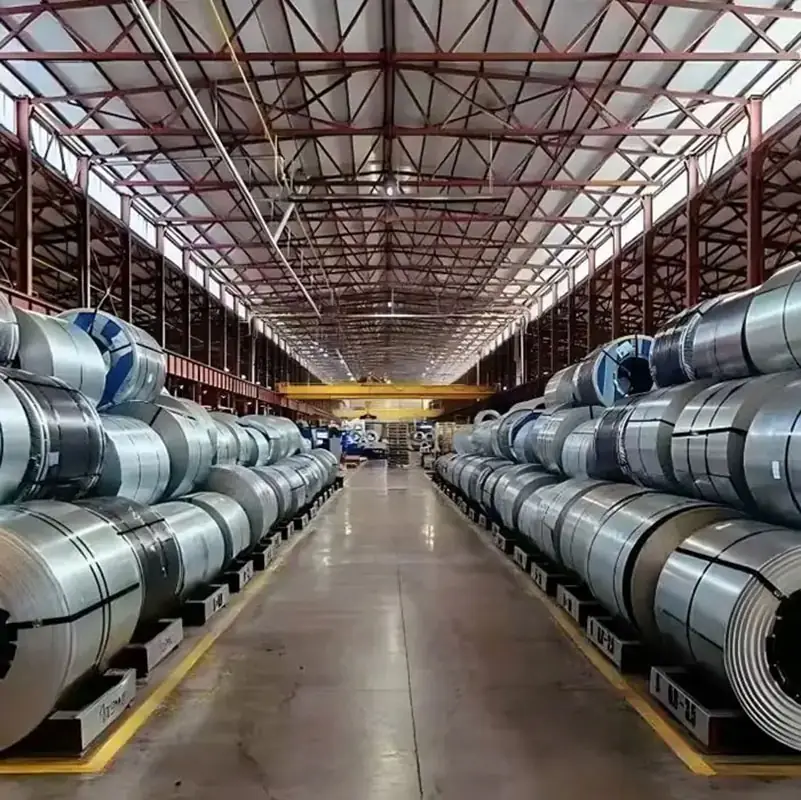
The product range covers multiple international grade systems, including AISI, ASTM, BS, DIN, GB, and JIS. Available grades include AISI 1060, 1070, 1075, 1084, and 1095; SK2, SK5, SK7, and SK85; C70, C75, and C80; as well as other carbon steel grades.
Product Specifications
| Item | High Carbon Steel Specification |
| Product | High Carbon Steel |
| Standards | AISI, ASTM, BS, DIN, GB, JIS |
| Thickness | 0.20–1.0 mm |
| Width | 1,250–2,500 mm |
| Thickness tolerance | ±0.02 mm |
| Width tolerance | +5/-0 mm |
| Coil weight | Approx. 3–28 MT |
| Listed applications | Automobile, home appliances |
| Shipping terms | FOB, CFR, CIF |
The material is supplied with seaworthy packing, and the typical delivery period is around 30 days. Small order quantities can be discussed before formal cooperation, depending on the project requirements.
For buyers looking for a CARBON STEEL Manufacturer, Runfei’s high carbon steel range provides multiple grade options and international standard references. Buyers can confirm the required grade, dimensions, tolerances, quantity, documentation, and delivery conditions according to their specific application before placing an order.
FAQ
Q: Is C75S a high carbon steel?
A: Yes. C75S is a high-carbon spring steel grade. SIJ Acroni identifies C75S as material number 1.1248 under EN 10132-4, with a carbon range of 0.70%–0.80%. (Source: SIJ Acroni)
Q: What is C75S steel used for?
A: C75S is used for springs, spring parts, and selected mechanical components where its strength and spring-related properties are suitable. (Source: SIJ Acroni)
Q: How do I choose the right high carbon steel grade?
A: Consider the required hardness, strength, wear resistance, formability, heat treatment, dimensions, and final application. The grade should then be verified against the applicable material standard.
Q: What should I check when buying a carbon steel product?
A: Buyers should confirm the grade, standard, dimensions, tolerance, delivery condition, quality documentation, quantity, packaging, and delivery requirements before production.
Q: How do I choose a reliable CARBON STEEL Manufacturer?
A: Evaluate the manufacturer’s grade range, specification capabilities, quality-control procedures, material documentation, processing options, packaging, and delivery performance.
Conclusion
High carbon steel can provide a useful combination of hardness, strength, wear resistance, and rigidity for demanding industrial applications. However, no single grade is suitable for every component. The right selection depends on the required performance, manufacturing process, dimensions, and applicable standard.
Runfei’s high carbon steel range provides multiple grades, international standard options, and defined product specifications for industrial buyers. If you are evaluating high carbon steel for a specific application, contact us to discuss the required grade, dimensions, specifications, and supply requirements with our steel specialists.